“Is it tee-ra-mee-soo or tee-rah-meez-oo?”
Tiramisu Foundations
Tiramisu Foundations
“Is it tee-ra-mee-soo or tee-rah-meez-oo?”
Flavor Variations
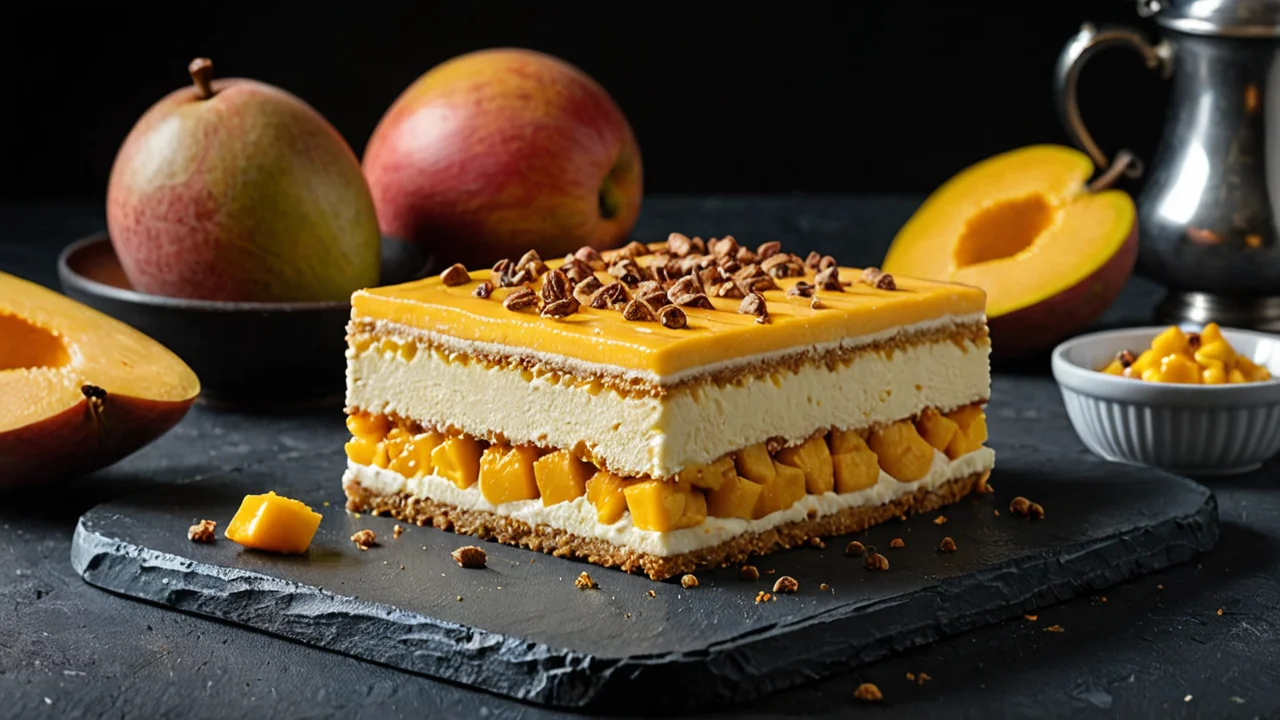
If your standard coffee-soaked biscuits feel too heavy against a bright mango glaze, replacing some of the espresso soak with a mix of fresh mango purée and orange liqueur provides an immediate lift…
Flavor Variations
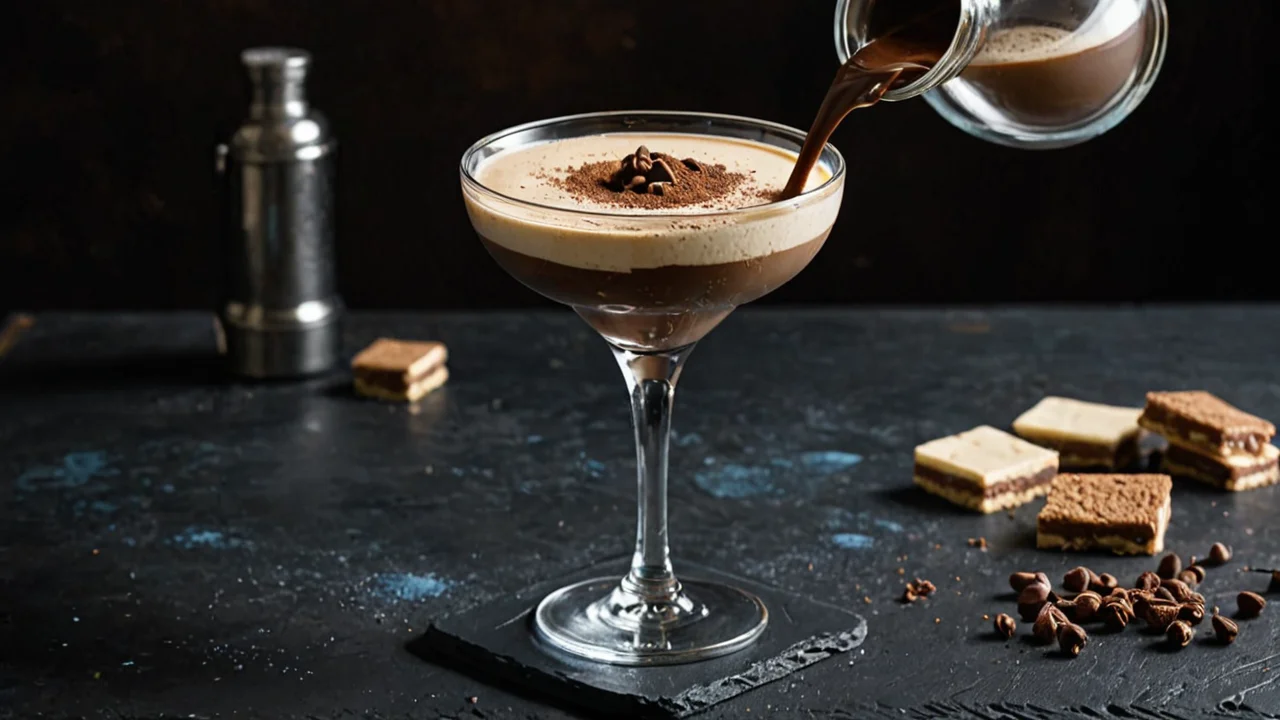
The biggest mistake people make when trying to incorporate tiramisu into a martini is treating it like a simple liqueur addition; they add a splash of pre-made dessert mix and call it done.
Dessert Formats
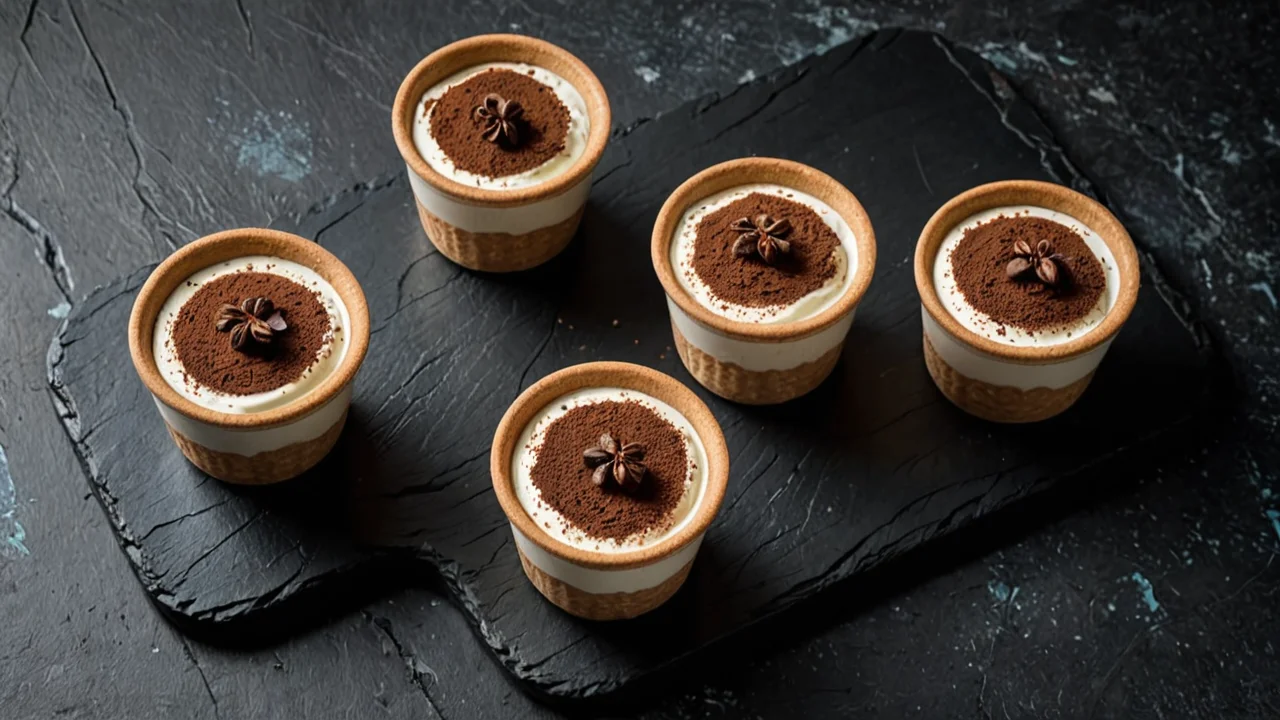
Elegant individual tiramisu cups are constructed by layering coffee-soaked biscuits with a rich mascarpone cream filling, which must be chilled for several hours to set properly.
Homemade Recipes
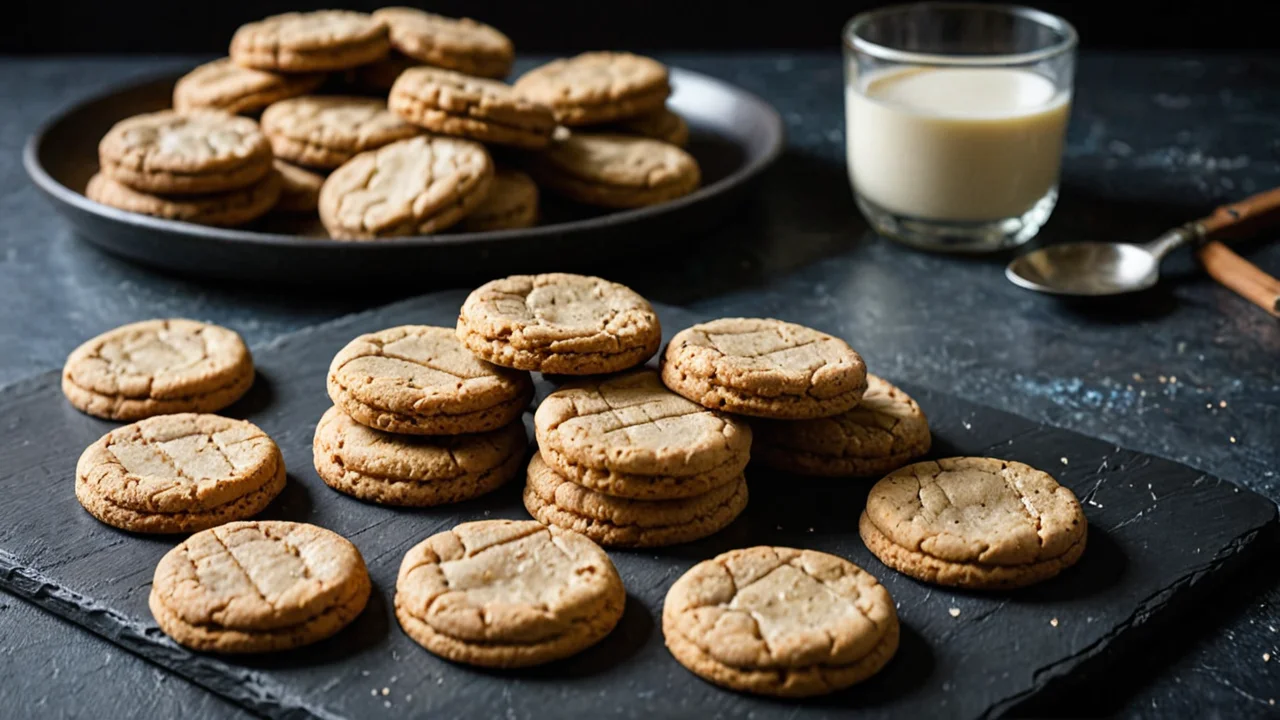
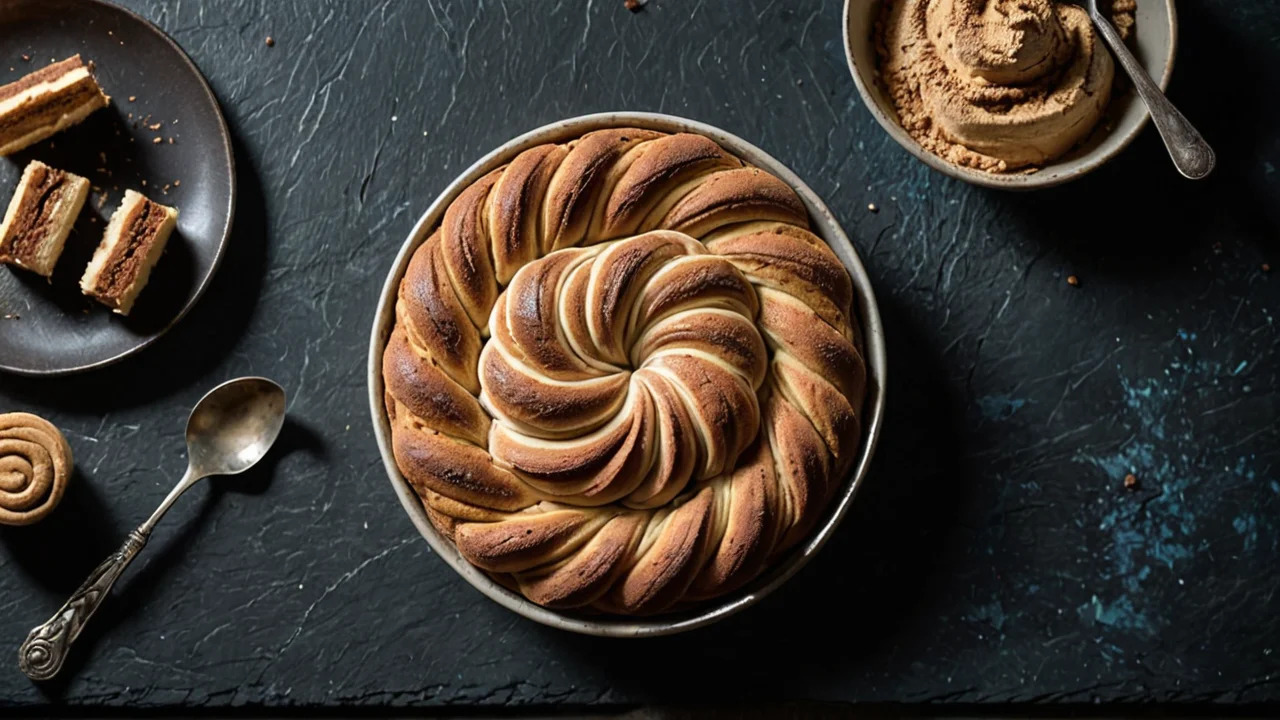
To successfully bake a tiramisu flavored cookie, you must treat the recipe not as an imitation of the layered dessert, but rather as a complementary exploration of its defining components—the coffee…
Homemade Recipes
Baking treats with a tiramisu twist generally involves substituting traditional sponge layers or ladyfinger biscuits with a richer, slightly stabilized mascarpone base and dusting them aggressively…
Dietary Adaptations
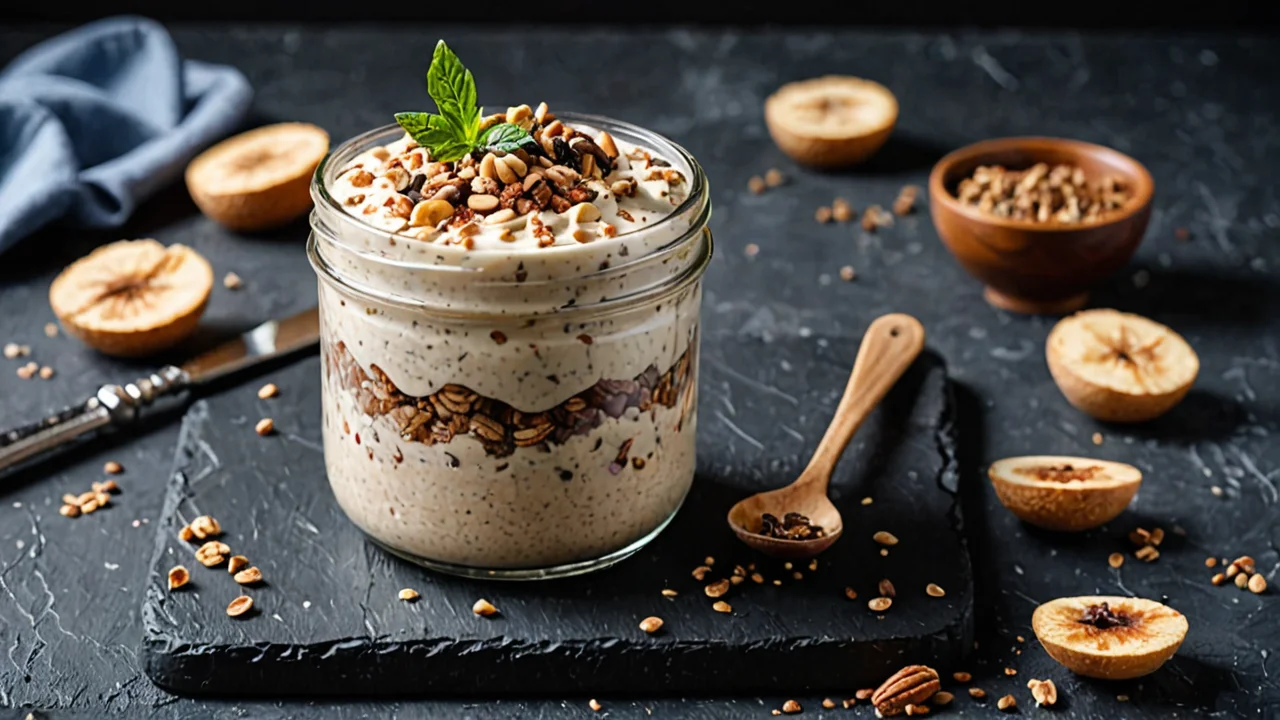
The mistake most people make when flavoring overnight oats with tiramisu notes is relying solely on instant cocoa powder and sweetened cream cheese; this approach results in a cloying sweetness…
Flavor Variations
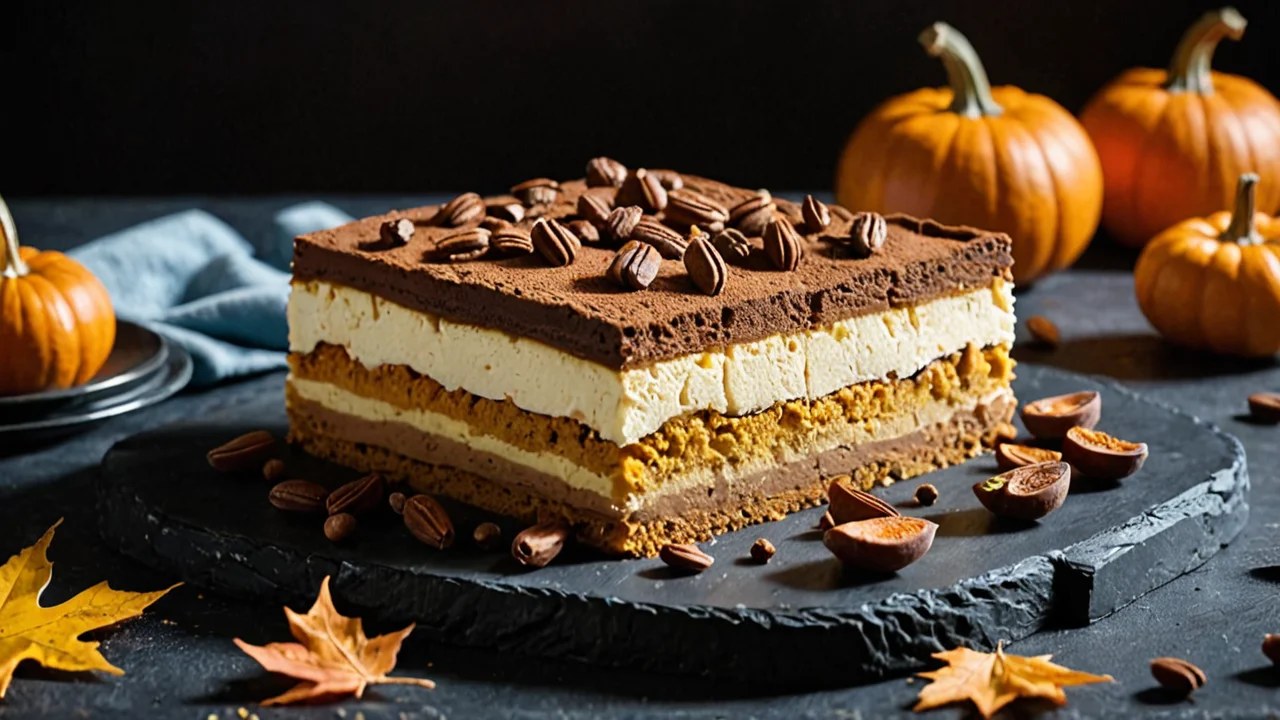
To successfully adapt tiramisu with autumn pumpkin flavors, you must shift your focus from a simple coffee soak to a spiced, autumnal liquid that complements the inherent sweetness of the squash…
Homemade Recipes
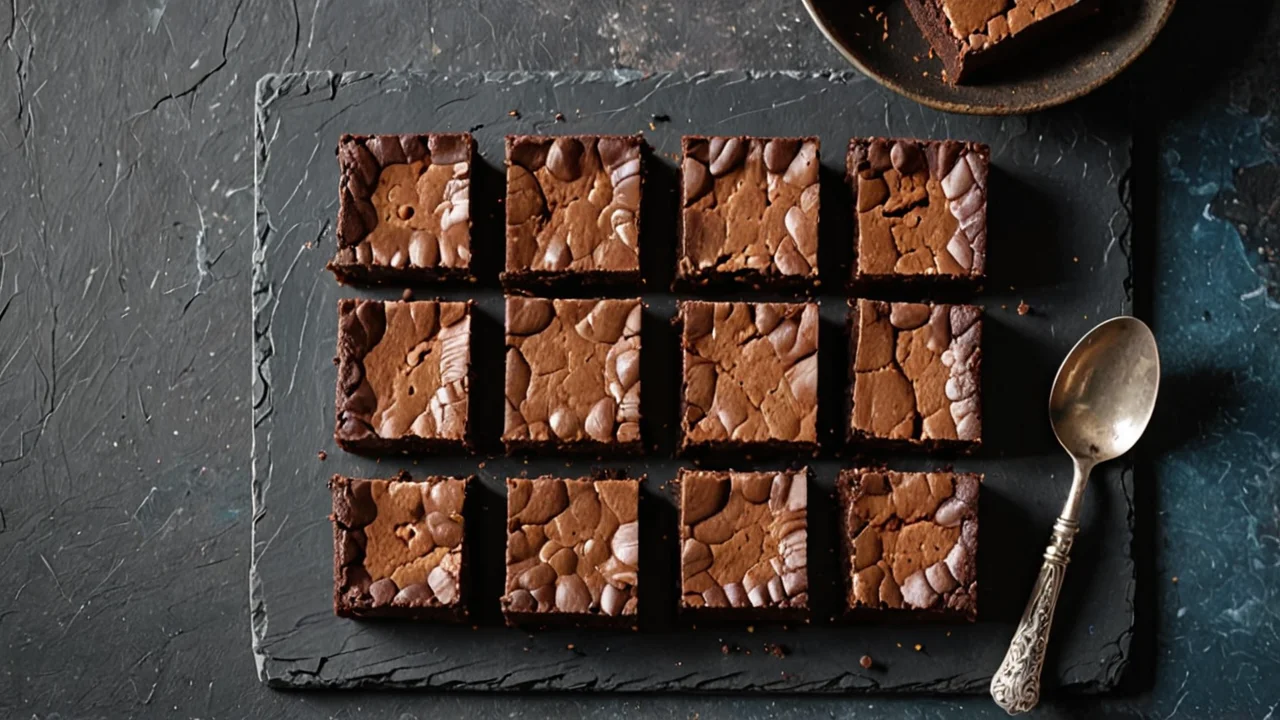
The two usual ways to tackle this—either infusing the brownie batter with strong coffee and cocoa notes, or making a layered trifle-style bake with brownies embedded in a creamy filling—the first…
Tiramisu Foundations
If you are trying to determine how much caffeine a batch of tiramisu contains, the two approaches available—calculating based solely on the type and volume of coffee used for soaking versus…
Flavor Variations
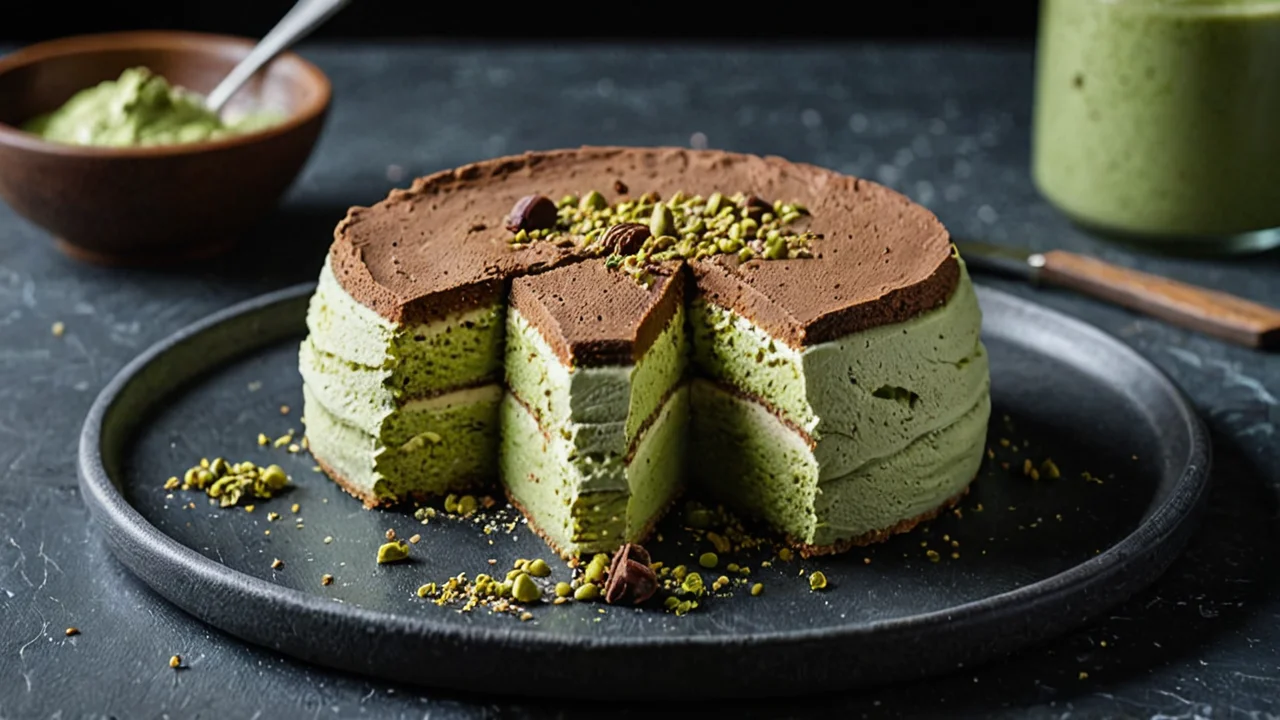
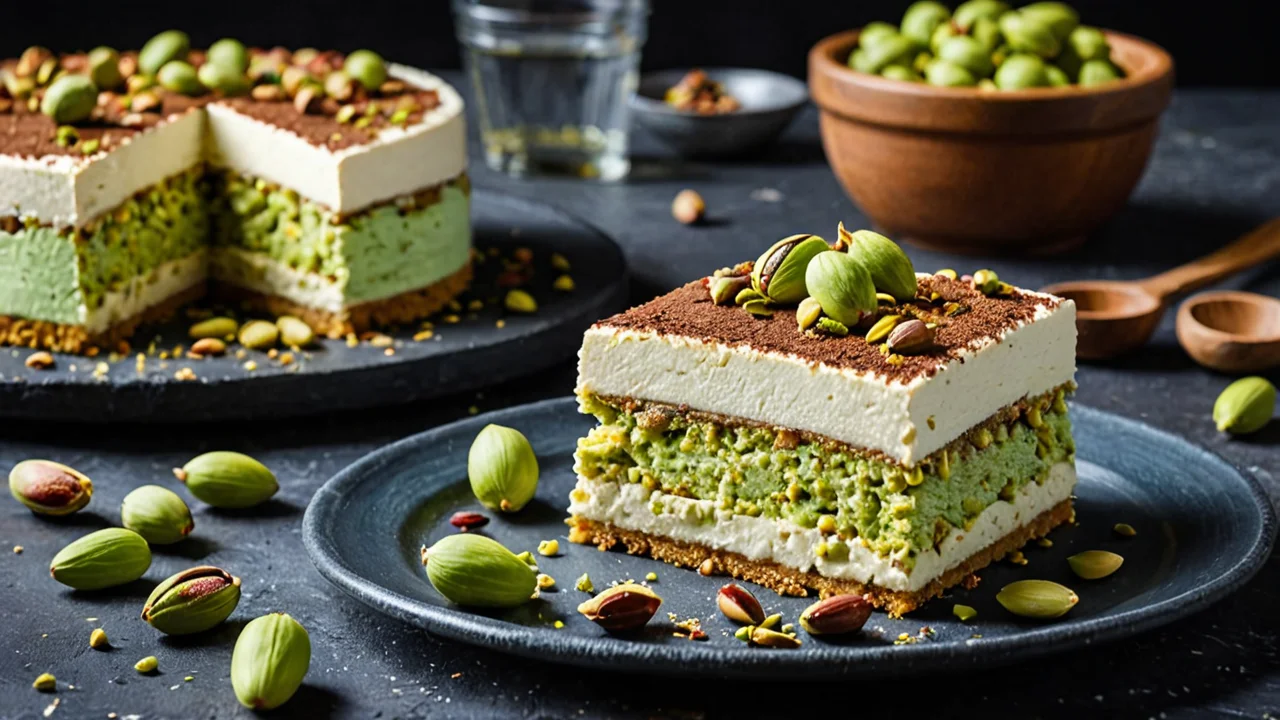
“Does tiramisu have nuts?” Yes, traditional torte versions often use nuts, but a good pistachio tiramisu does not need them if you manage your flavoring correctly—the natural richness…
Flavor Variations
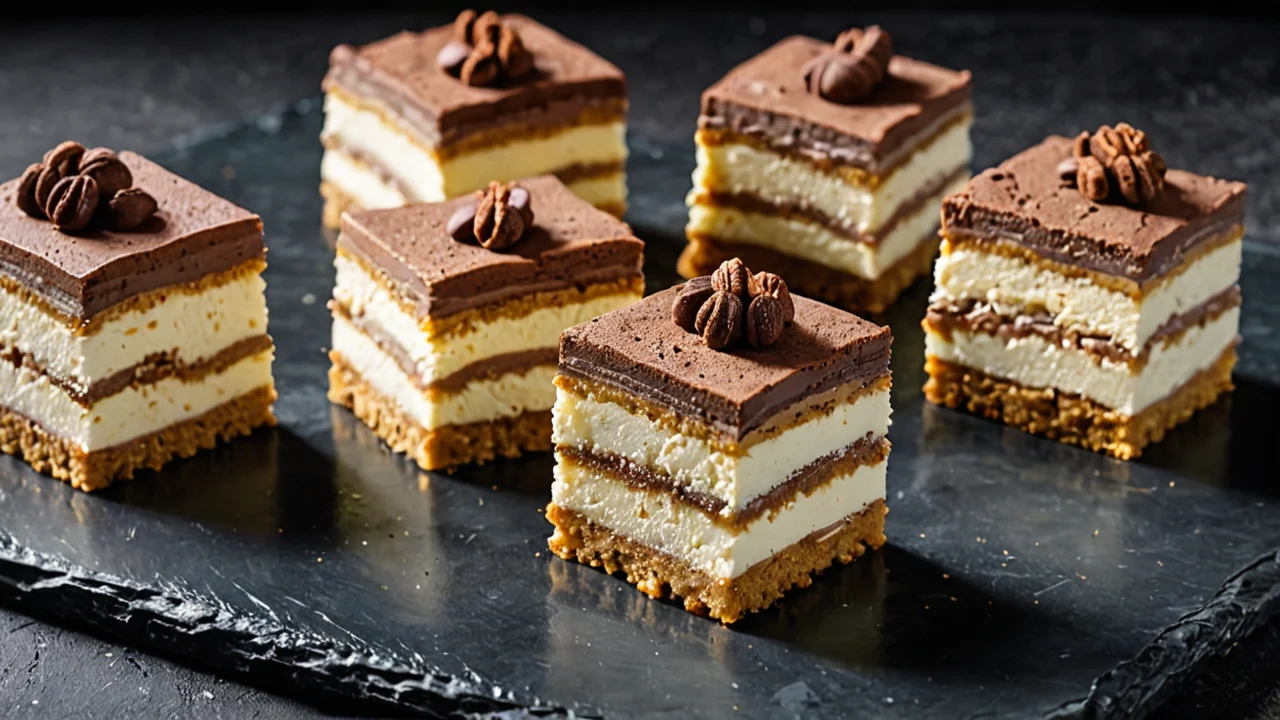
When you pull a slice of coffee-flavored tiramisu out of the refrigerator, and it has been enhanced with a hint of spiced rum and crumbled amaretti cookies rather than just traditional ladyfingers…
Dessert Formats
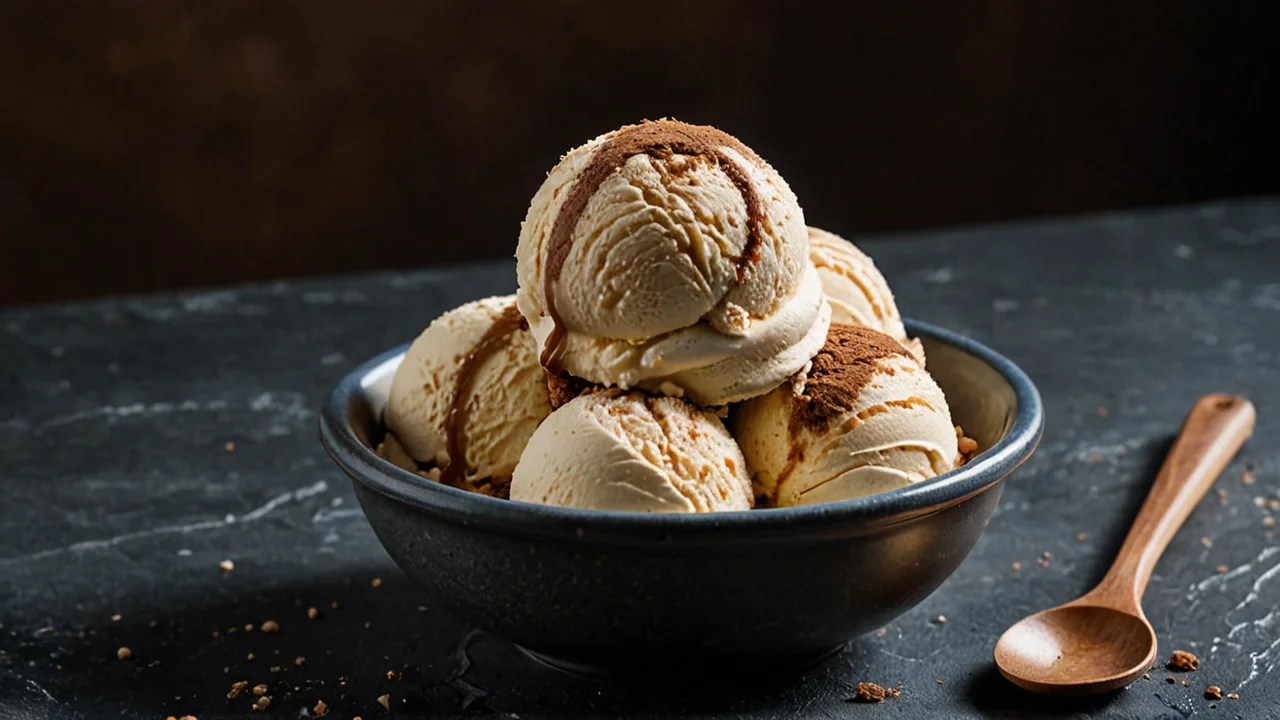
“Does tiramisu really taste good when it’s frozen like ice cream?” No, it doesn't taste exactly like traditional tiramisu—it tastes like a suggestion of it.
Italian cooking is a small number of techniques applied with stubborn consistency to a short list of ingredients, and almost every mistake home cooks make comes from adding something the dish never had. Carbonara is guanciale, Pecorino Romano, eggs, black pepper and pasta — five ingredients, no cream, no garlic, no olive oil beyond what renders out of the pork. Gnocchi are potato- or flour-based dumplings, small round balls served with sauce, and the whole craft is in how little flour you can get away with. Tiramisu is layered coffee-soaked biscuits and a creamy filling, and its quality lives or dies on how long it sits. Learn those constraints and the rest of the cuisine opens up, because the same logic — few things, done right, in the right order — governs the ragù, the risotto, the vegetable courses and the antipasti.
The defining move in Italian home cooking is deciding what to leave out. A Roman carbonara has five ingredients. Not five plus garlic, not five plus a splash of cream to loosen it, not five plus a handful of parsley for colour. When you taste a carbonara that is too heavy or tastes of raw egg, you are almost always tasting a deviation from those five, or a pan that was too hot when the eggs went in.
This is not minimalism for its own sake. It is a cooking tradition built on ingredients that were expensive or scarce, so the technique had to carry the flavour. Guanciale — cured pork jowl — is a case in point. It is fattier and more intensely porky than pancetta, and the fat it renders is the sauce's entire liquid base. If you substitute bacon, you get a smoky, salty dish that is fine but is not carbonara; the smoke fights the Pecorino. If you substitute pancetta, you get something closer but leaner, and you will find yourself wanting to add oil, which dilutes the pork flavour you were trying to build.
The same subtraction logic applies at the table. A plate of good tomatoes with good olive oil and salt is a course, not a garnish. A bowl of bitter greens cooked in the water from the pasta is a course. The cook's job is to buy well and then do as little as possible, and the failure mode is a cook who does not trust the ingredients and keeps adding things to prove they did something.
What this costs you is variety within a single meal. A four-course Italian dinner is not four different sauces; it is four different textures and temperatures, each one stripped to its essentials. If you want a cuisine where every dish is a project, this is the wrong tradition. If you want a cuisine where you can taste what you bought, it is the right one.
Carbonara is the clearest test of whether you understand Italian technique, because it is an emulsion held together by nothing but temperature control and mechanical agitation. You render the guanciale slowly so the fat comes out without the meat burning. You cook the pasta in salted water. You beat eggs with grated Pecorino and a lot of black pepper. Then you take the pan off the heat, add the drained pasta to the pork and its fat, toss, and only then add the egg mixture, stirring hard and continuously.
Thirty to sixty seconds of mixing after the egg goes in is the window. Stir for less and the cheese has not melted into the eggs; stir for longer, or with the pan on the burner, and the proteins squeeze together and you get scrambled egg with pasta in it. The pan must be off the heat, but the pasta and the fat must still be hot enough to cook the egg gently — this is the whole trick, and it is why recipes that tell you to add the egg to a cold bowl and then pour it over produce something thin and raw-tasting.
If your carbonara comes out grainy, the pan was too hot. If it comes out soupy, you did not drain the pasta well enough or you used a pan that was too wide, so the fat pooled instead of coating. If it comes out claggy and pale, you used too much cheese relative to egg or you let it sit before serving. None of these failures are fixed by adding cream; cream is the standard American rescue and it turns the dish into a different, heavier thing that will never taste like what you ate in Rome.
The trade-off is that this technique has no margin for a distracted cook. You cannot start the emulsion and then answer the door. The window is short and the dish must be served the moment it comes together, which is why restaurant carbonara is often worse than home carbonara — it sat under a heat lamp for four minutes.
Gnocchi are small round balls of potato- or flour-based dough, usually served with sauce, and the entire difficulty is that the dough wants more flour than it needs. Potato holds a lot of water. If you boil potatoes whole with the skin on and rice them while hot, they steam off some of that moisture; if you boil them peeled and cubed, they absorb water and you will need extra flour to make the dough hold, and extra flour makes the gnocchi dense and gluey.
The test is the bite. Good gnocchi are light enough that they feel almost hollow, and they hold their shape for the few seconds between the boiling water and the sauce. Bad gnocchi are chewy in the way a bad bagel is chewy — the gluten developed and the potato flavour got buried. You will know at the first bite, and there is no fixing it after the fact; you can only start over with drier potatoes and a lighter hand.
Risotto is the same principle in a different medium. The rice is toasted in fat first so the grains stay separate, then liquid is added a ladle at a time and stirred so the surface starch rubs off and thickens the liquid into a creamy sauce that is not actually cream. Stop stirring and you get rice with broth in it. Stir too hard or too long and you get porridge. The correct texture is described as all'onda — it should ripple when you shake the pan — and it should be loose enough to spread on the plate rather than sit in a mound.
Both dishes punish the cook who wants to do them in advance. Gnocchi can be shaped and frozen on a tray before boiling, which is a real advantage and worth the effort. Risotto cannot be held; it must go from the last ladle of liquid to the plate in under a minute, which is why it is a dish for a cook who is willing to stand at the stove while guests are already seated. If that is not the dinner you want to host, serve a baked pasta instead.
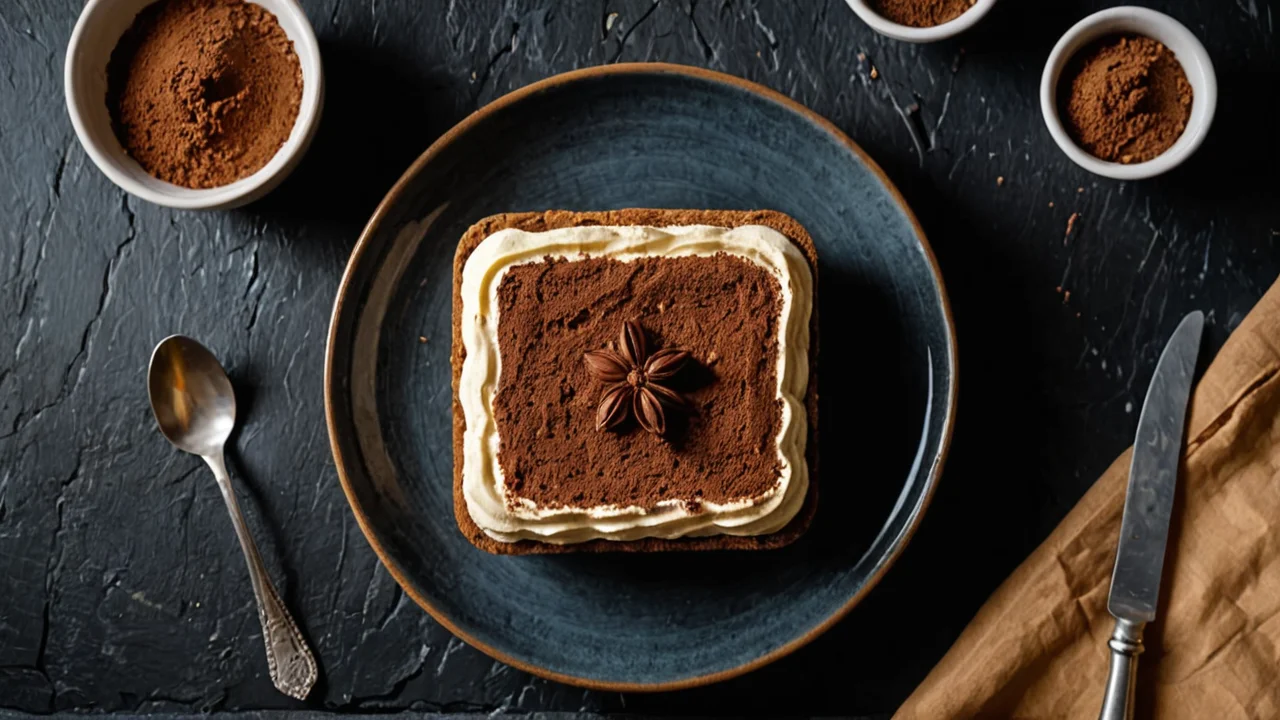
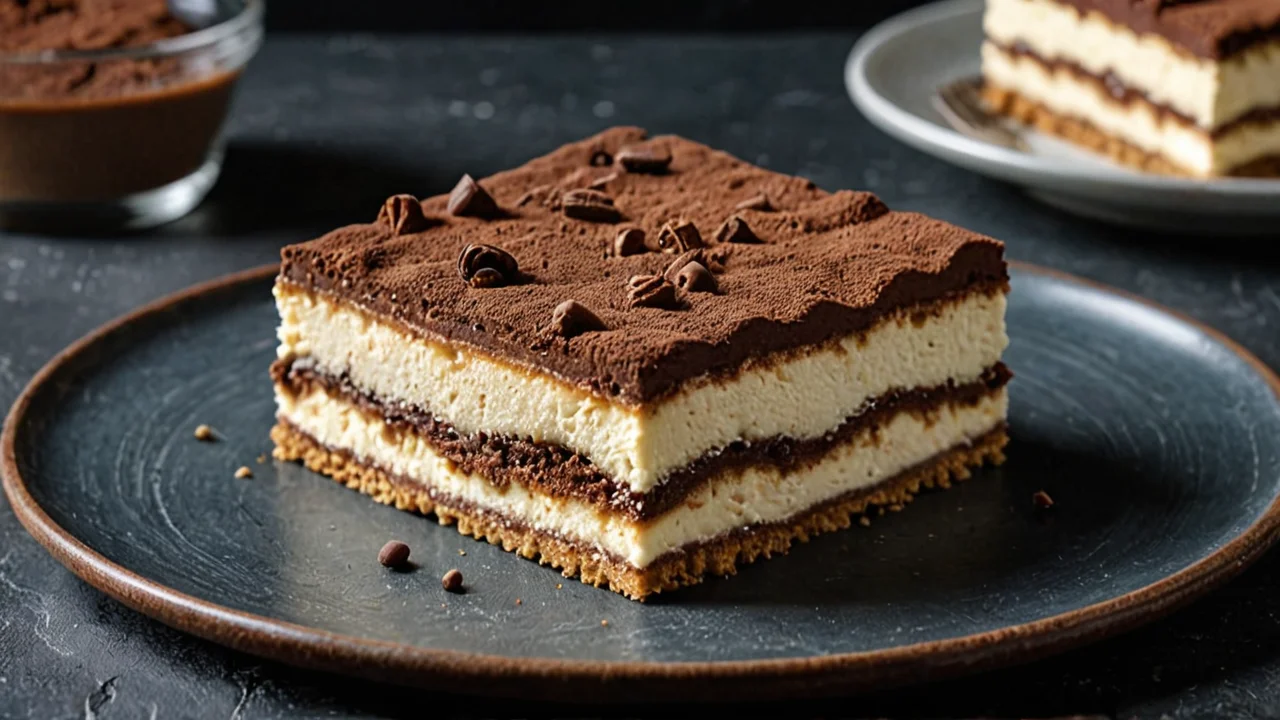
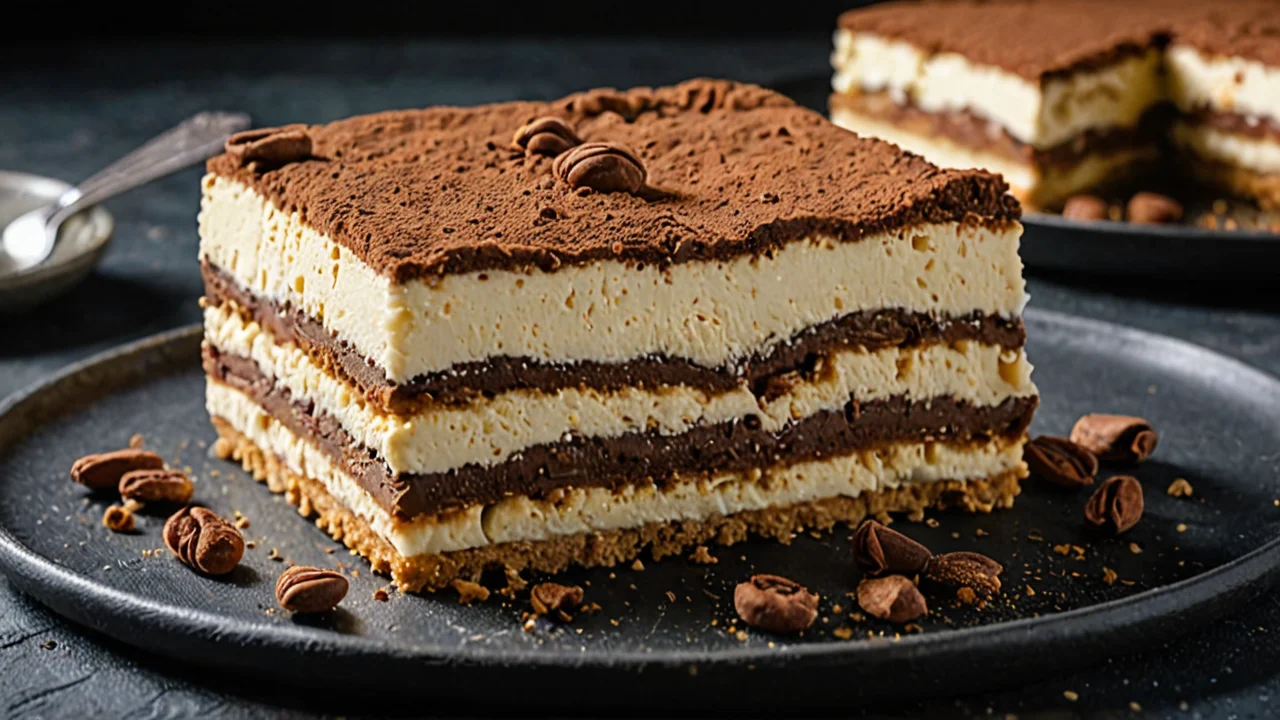
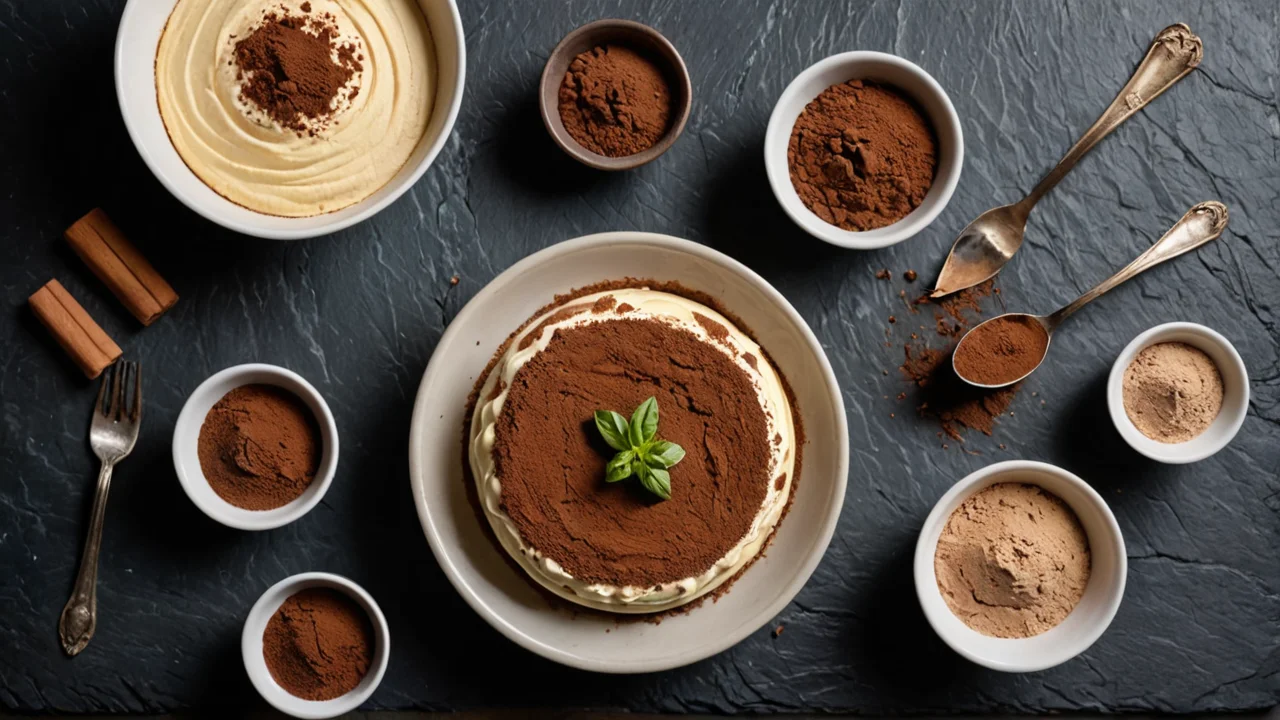
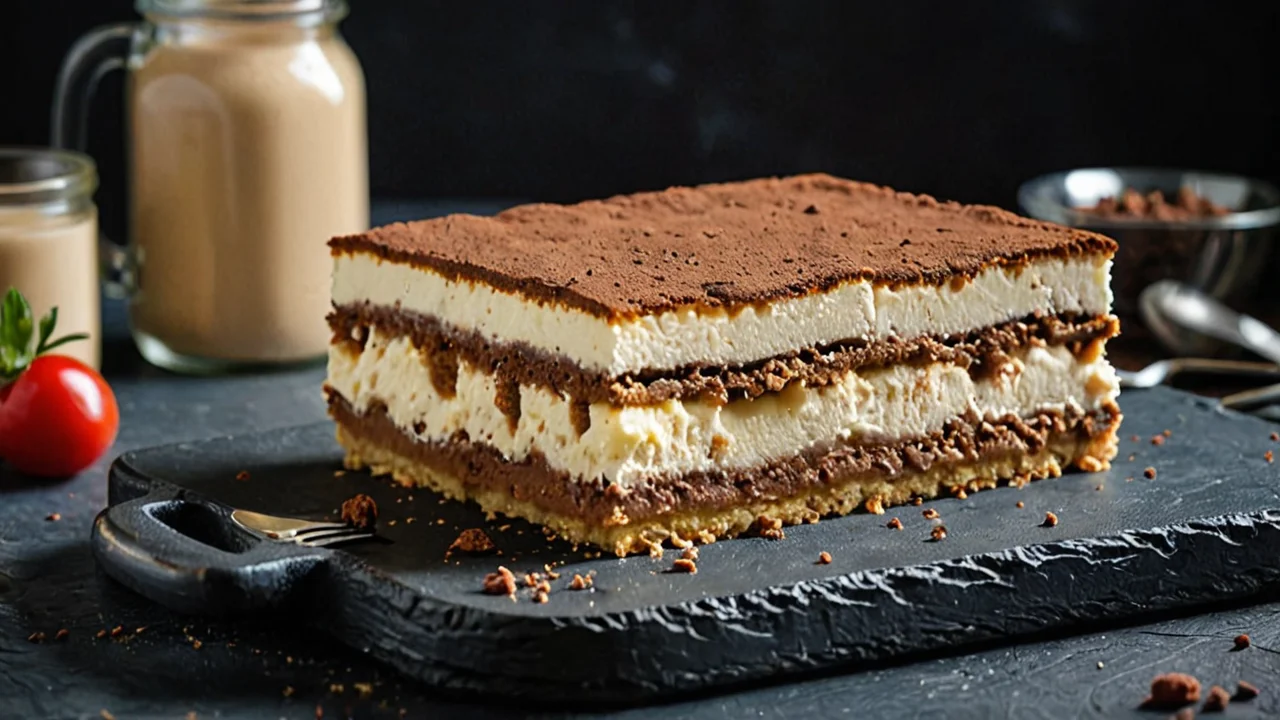
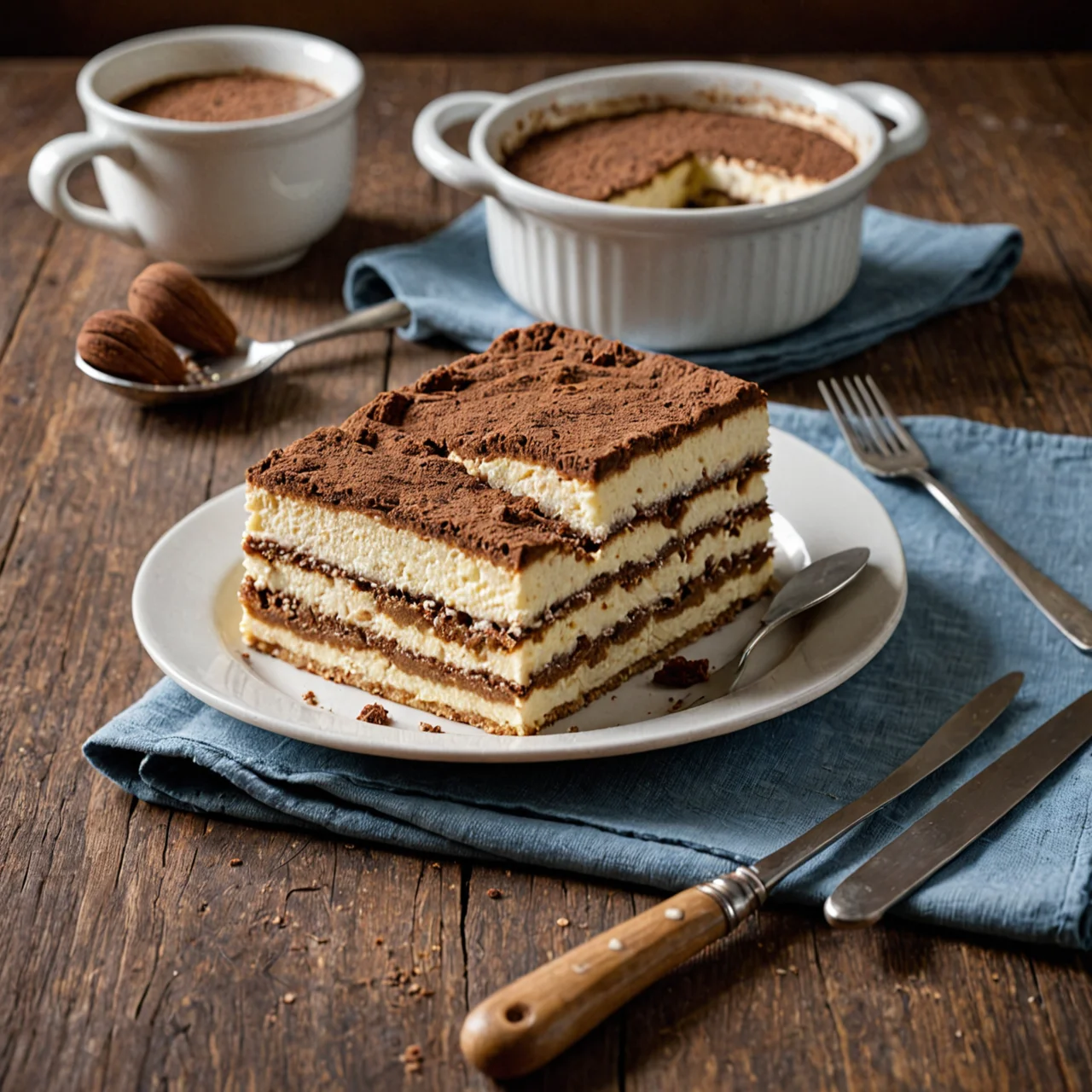
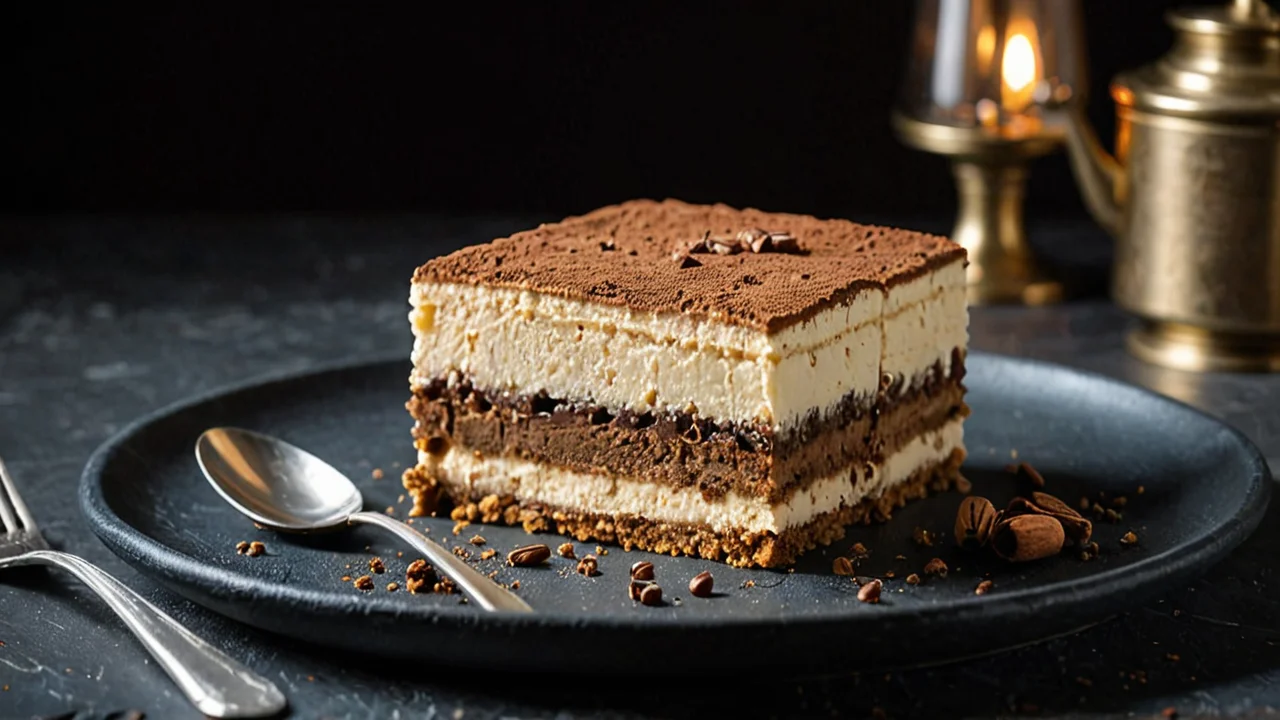
Tiramisu is layered coffee-soaked biscuits and a creamy filling, and it is the most forgiving dessert in the Italian repertoire — but only in one direction. The filling is mascarpone loosened with egg and sugar, and the biscuits are savoiardi, the dry, sponge-like ladyfingers that drink coffee without dissolving. The assembly is trivial. The variable is time.
Too short a rest and the biscuits are still crunchy in the middle, which is a textural fault, not a flavour one. Too long and they collapse into the filling and the whole thing becomes a soggy mess that cannot be sliced cleanly. The window is somewhere between a few hours and overnight in the fridge, and the way you know you got it right is that a knife goes through the layers without dragging and the biscuit has softened to the texture of cake. If you are assembling for a dinner party, make it the night before and accept that you are now committed to that timing.
The bigger decision is the mascarpone itself. Cheap mascarpone is watery and the filling will not hold; you will notice it weeping into the biscuit layer within a few hours. Buy a brand you trust, drain it if it looks loose, and fold rather than beat, because overworking mascarpone makes it grainy. Some cooks add whipped cream to stabilise the filling; it makes the dessert lighter and more foolproof, and it also dilutes the mascarpone flavour, which is the point of the dish. That is a real trade-off and there is no single right answer — but if you add cream, add less sugar, because the whole thing gets sweeter.
Tiramisu is also the gateway to the broader category of Italian desserts that are assemblies rather than bakes: panna cotta, which is cream set with gelatine and which fails if you use too much gelatine, and affogato, which is gelato with hot espresso poured over it and which fails if the gelato is not cold enough to hold its shape for the thirty seconds it takes to get to the table. None of these require an oven. All of them require you to respect a setting time or a temperature, and all of them are ruined by impatience.
The Italian meal structure is antipasto, primo, secondo with contorno, and dolce, and the practical consequence is that the primo — usually pasta or risotto — is a small portion, not the main event. This is where most American home cooks go wrong: they serve a full bowl of carbonara as the main course and then wonder why nobody wants the second course. A primo is roughly half what you would serve as a standalone pasta dish, and the secondo is the protein, cooked simply and served with a vegetable.
The order of work in the kitchen matters as much as the order on the table. The ragù or the tomato sauce goes on first because it can simmer for hours and improve. The dessert gets made next, because it needs to chill. The vegetables get prepped while the sauce reduces. The pasta water goes on to boil last, because pasta and risotto are the two things that cannot wait, and everything else in the meal is designed around their timing.
This is why the Italian Sunday lunch works: the long-cooked dish absorbs the morning, the pasta is a fifteen-minute operation at the end, and the dessert was made the day before. It is also why a weeknight carbonara is a realistic dinner and a weeknight risotto for six is not — the first has one time-critical step, the second has a time-critical step that also requires your full attention for twenty minutes.
The cost of this structure is that you cannot cook everything at the last minute, and you cannot serve a meal where every dish is a showpiece. The benefit is that the meal has a rhythm, and the cook is not exhausted when the food arrives. If you are cooking for people who expect the pasta to be the centre of the plate, serve one course and make it good, rather than four courses where the pasta is stretched too thin.
Spend on the things you can taste in a blind test and save on the things you cannot. Guanciale is worth seeking out over pancetta if you are making carbonara, because its fat is the sauce. Pecorino Romano is worth buying in a wedge and grating yourself, because pre-grated cheese is coated in starch that stops it melting smoothly and the flavour fades within weeks of grating. Good tinned tomatoes are worth the extra dollar, because the cheap ones are often underripe and you will end up adding sugar to compensate, which is a fix that never quite works. Dried pasta from a bronze die is worth it for the rough surface that holds sauce; the smooth, cheap kind is fine in a baked dish where the sauce is thick anyway.
Do not spend on extra-virgin olive oil for cooking at high heat. The flavour compounds burn off and you have paid for nothing; use a cheaper oil for the pan and finish with the good oil off the heat, where you can actually taste it. Do not spend on aged balsamic for a salad; the thick, sweet, expensive stuff is for cheese and strawberries, and a simple red wine vinegar with good oil is better on leaves. Do not spend on fresh pasta for a long-simmered ragù, because the sauce will overwhelm it; dried pasta is the better match, and fresh pasta is for butter, sage and a light sauce that lets the egg dough show through.
The honest limitation of all this is that ingredient quality is not evenly distributed and the advice is only as good as what is on the shelf near you. If the only guanciale in town is frozen and expensive, pancetta is a reasonable substitute and you should not let the purism stop you cooking. If the tinned tomatoes are all the same brand, buy the most expensive one you can afford once and compare. The point is not to chase an ideal that is not available; it is to know which substitutions cost you the dish and which ones cost you nothing, so you spend your money where it changes the plate.