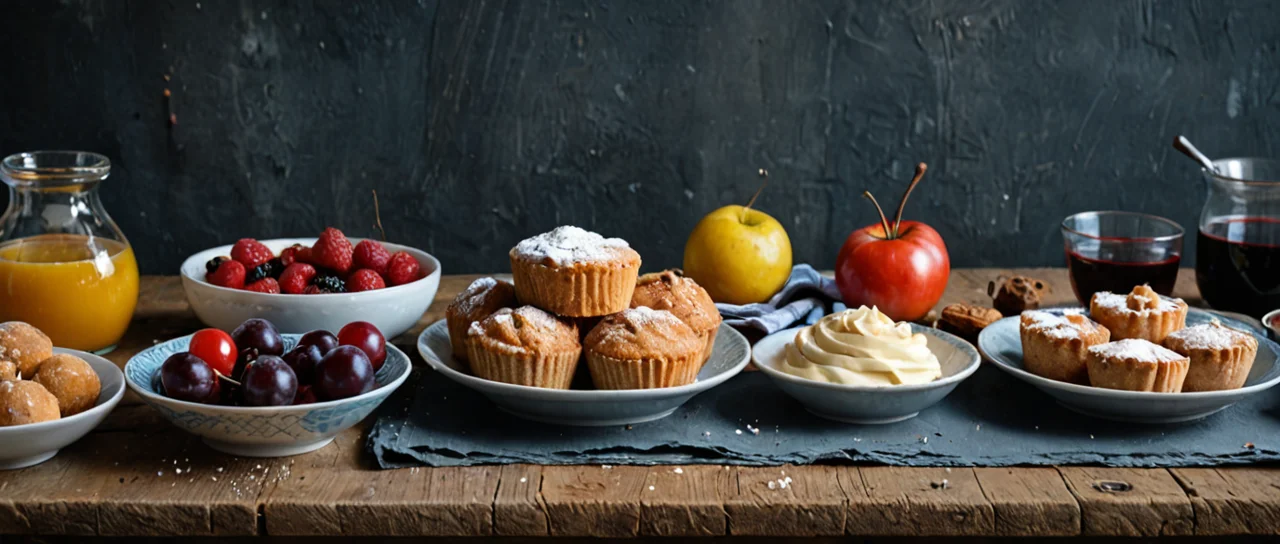
Dessert in Italy is a different format from dessert in the English-speaking world: it is a small, distinct course eaten after fruit, not a slab of cake that ends the meal. That single structural fact explains almost everything that follows — why tiramisù is assembled in a dish rather than baked, why a crostata is thin and jammy rather than tall and frosted, why a restaurant dessert menu is short and repetitive, and why the same handful of forms (layered, set, fried, pastry, spooned) keep reappearing. Once you know which format you are working in, the ingredient decisions mostly make themselves.
The five formats and what each one actually is
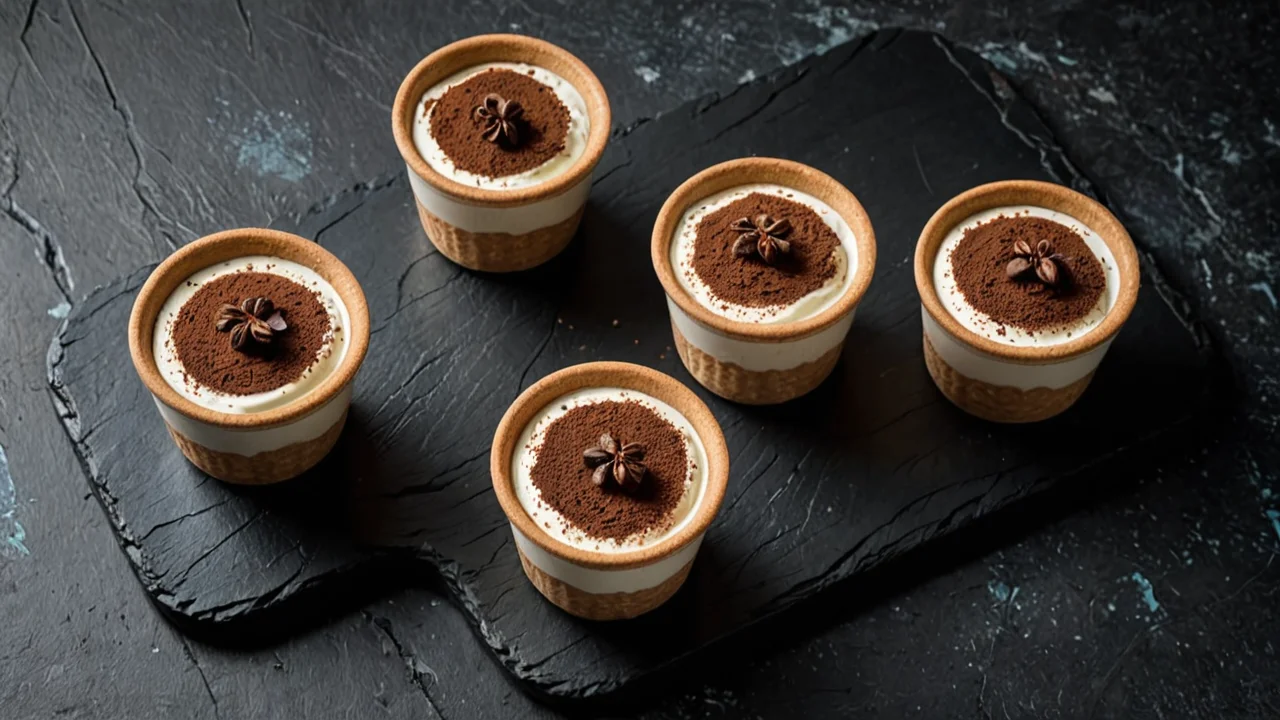
Almost every Italian dessert you will cook falls into one of five structural categories, and the category determines your method before any ingredient choice does. A layered dessert alternates a solid element with a cream or custard — the canonical example is tiramisù, an Italian dessert made with layered coffee-soaked biscuits and a creamy filling. A set dessert relies on gelatin, egg, or starch to hold a shape: panna cotta, budino, semifreddo. A fried dessert is a batter or dough cooked in fat and finished with sugar: frittelle, zeppole, castagnole. A pastry dessert is a crust with a filling: crostata, torta della nonna. And a spooned dessert is a fruit or cream served with nothing more than a utensil — macerated peaches, a bowl of ricotta with honey.
The distinction matters because failures are format failures far more often than flavour failures. A panna cotta that will not unmould is a gelatin ratio problem, not a vanilla problem. A tiramisù that weeps onto the plate is a soaking and assembly-order problem, not a mascarpone problem. A crostata with a soggy base is a hydration problem in the pastry or a filling-too-wet problem, and no amount of blind baking fixes a filling that is releasing water. Diagnose by format first.
The cost of choosing a format is mostly one of time and equipment. Layered desserts need several hours of chilling and a vessel with straight-ish sides. Set desserts need a thermometer or at least careful attention, plus refrigeration time. Fried desserts need a pot of oil at temperature and are the only format that must be eaten essentially on the spot — they are the wrong choice if you need something that holds. Pastry needs a cold kitchen, a rest, and a rolling surface. Spooned desserts need nothing, which is also their limitation: there is nowhere to hide a mediocre ingredient.
Layered desserts: tiramisù and the logic of assembly
Tiramisù is the format's reference implementation, and the useful thing about it is that it is not cooked. You are building a structure out of savoiardi, a coffee soak, and a cream of mascarpone loosened with egg, and every decision is about moisture migration. The biscuits must be soaked long enough to soften but not long enough to disintegrate — a quick, complete submersion, one side then the other, is the standard, and a biscuit that has gone floppy in your hand before it reaches the dish is already over-soaked. The cream must be stiff enough to sit on the biscuits rather than sink between them.
The assembly order is not arbitrary. A thin layer of cream on the bottom of the dish anchors the first biscuit layer and prevents it sliding when you portion. The top must be cream, not biscuit, or the surface dries and cracks in the fridge. Between those constraints you are free. What you are not free from is time: the dish needs several hours cold for the biscuits to draw moisture from the cream and the whole thing to firm up, and it is better after a night. Serving it at two hours gives you a dessert that tastes of its parts rather than of itself.
Two honest trade-offs. First, raw egg. The classic cream uses egg yolks, and if you are uneasy about that you can use a warmed yolk-and-sugar base cooked gently to a thick ribbon, or a stabilised cream — but you will lose some of the lift, and the texture becomes denser. Second, alcohol. Marsala or rum is traditional and a small amount goes a long way; leaving it out is fine, but the dessert then reads sweet and flat, and a pinch of salt in the cream does more for it than you would expect. If you are making tiramisù for a crowd in warm weather, keep it cold until the moment of serving — it is a format that punishes a long spell on a buffet table.
The same architecture — solid, soak, cream, repeat — takes other fillings. A lemon version with a citrus syrup instead of coffee works. A berry version with a light syrup works but is wetter and needs a firmer cream. What does not work is substituting a low-fat mascarpone: it is stabilised differently and the cream will slacken rather than hold. Buy the full-fat tub.
Set desserts: panna cotta, budino, semifreddo
Set desserts are the format with the narrowest margin for error, and the error is nearly always the same one: too much gelatin. A panna cotta should barely hold — it should slump when you tip the plate and tremble when you touch it, not bounce. If your recipe produces something that stands to attention, cut the gelatin. Leaf gelatin and powdered gelatin are not interchangeable by weight, and the blooming step (cold water, then squeeze, then dissolve in warm cream) is not optional; gelatin that goes into hot cream dry will leave threads.
The base is cream and sugar with vanilla, and the variable is how you flavour it. Infuse the cream — citrus zest, coffee beans, a split vanilla pod — warm it, then strain before setting. Anything acidic added in quantity will fight the set, so a lemon panna cotta needs more gelatin or a different stabiliser, and a berry purée swirled in at the end will set unevenly unless it is itself thickened. This is the format where the wrong choice costs you the whole dish rather than a bit of its polish.
Budino is the stovetop cousin: a starch- or egg-thickened custard poured into moulds and chilled. It is more forgiving than gelatin because starch sets reliably, but it has its own failure — scorching, or a floury taste if the starch is not cooked out. Cook it past the point where it looks done; the raw-starch taste disappears only after the mixture has bubbled gently for a minute or two. Semifreddo is the third variant: a frozen mousse, no churning, held together by whipped cream and egg, sliced rather than scooped. It is the right choice when you want a dessert that can be made days ahead and portioned cleanly, and the wrong choice if your freezer runs warm or cycles — semifreddo needs a steady cold or it develops ice crystals.
All three formats reward making them a day ahead. None of them reward making them at the last minute, and none of them survive a warm room. If your meal is long and your kitchen hot, choose a pastry or a spooned dessert instead.
Fried desserts: the format that will not wait
Fried desserts are the only format in this list that must be eaten within minutes of being made, and that constraint should drive whether you choose them at all. Frittelle, zeppole, castagnole — the shapes differ, the principle does not: a leavened batter or a choux-style dough, dropped or piped into oil at a steady temperature, drained, and rolled in sugar while still hot so the sugar adheres. The oil temperature is the whole game. Too cool and the dough drinks fat and sits heavy; too hot and the outside colours before the centre sets, which you notice as a raw, doughy middle when you bite in.
The batter is where the trade-offs live. A yeast-leavened batter needs a rise, which means planning ahead by hours; a chemical-leavened one (baking powder) is ready in minutes but tastes flatter and stales faster. Choux-based doughs give you a hollow, custard-ready shell but require cooking the flour first and cooling it before the eggs go in — add eggs to a hot dough and they cook in the bowl. Whatever the base, the batter should be stiff enough to hold a shape on the spoon; a slack batter spreads in the oil and gives you flat, greasy discs.
Practically: fry in batches small enough that the oil recovers between them, keep a slotted spoon and a draining rack, and do not crowd the pot. Sugar them immediately. And be realistic about the guest list — this is the format for a kitchen party where people eat as you fry, not for a plated course that waits on a table. The cost is your attention for the duration; the reward is a dessert nobody else is serving.
Pastry and spooned desserts: the low-effort end, and where it goes wrong
A crostata is a thin sheet of pastry, a layer of jam or fruit, and often a lattice — and its failure mode is sogginess, which comes from either a wet filling or an underbaked base. Blind-bake the shell first, and if your jam is loose, cook it down before it goes in. The pastry itself wants cold butter, a short rest in the fridge, and a light hand; overworked dough shrinks in the tin and turns tough. A torta della nonna follows the same logic with a custard filling and a pine-nut top, and it is more forgiving because the custard sets.
The spooned format is the one people underestimate. Macerated fruit, ricotta with honey, a peach with a little sugar and lemon — these are desserts only if the fruit is good, and there is no technique to rescue it. The right choice when you have excellent fruit and no time; the wrong choice when you have supermarket fruit and want to impress. The most common mistake is over-elaborating: adding cream, syrup, and a crumble to a perfect peach and burying it.
Between the two ends of this section, the decision is about how much structure you need. A crostata gives you a portionable, transportable, make-ahead dessert. A spooned dessert gives you speed and honesty about ingredients. Neither needs the equipment the set or fried formats do, and both are the sane choice when you are cooking a large meal and cannot afford a dessert that demands a thermometer or a pot of oil.
How to sequence the choice for a real meal
Start from the meal, not the dessert. A heavy, long, sauce-rich dinner wants a spooned or lightly set finish — fruit, a small panna cotta, a slice of semifreddo — because the palate is already loaded. A lighter meal can carry a layered tiramisù or a fried finish. This is why Italian restaurant menus repeat the same few desserts: they are the formats that sit correctly after a full meal, and the repetition is a feature rather than a failure of imagination.
Then work backwards from your available time and equipment. If you have a day and a fridge with room, a layered or set dessert is the best use of that time because the work is front-loaded and the serving is effortless. If you have an hour and no fridge space, pastry or spooned. If you have company in the kitchen and want the dessert to be an event, fried. If you have none of the above, a bowl of good fruit and a knife is a legitimate Italian dessert and no one will think less of you for it.
| Format | Lead time | Holds well? | Main failure |
|---|---|---|---|
| Layered (tiramisù) | Several hours to overnight | Yes, a day or two cold | Over-soaked biscuits; slack cream |
| Set (panna cotta, budino, semifreddo) | Several hours | Yes, if kept cold | Too much gelatin; scorched custard |
| Fried (frittelle, zeppole) | Minutes to hours, depending on leavening | No — serve immediately | Wrong oil temperature |
| Pastry (crostata, torta) | An hour plus chilling | Yes, a day | Soggy base; tough dough |
| Spooned (fruit, ricotta) | Minutes | Briefly | Poor ingredients |
The last thing worth saying is that these formats are not a hierarchy. A perfectly macerated peach is a better dessert than a badly set panna cotta, and a crostata made with good jam beats a tiramisù assembled in a hurry. What the format gives you is a prediction: it tells you what will go wrong and when, so you can choose the one whose failure mode you can afford on the day. That is the whole decision, and it is made before you open the mascarpone.