Most Italian home cooking fails not from bad ingredients but from doing one step in the wrong order or at the wrong temperature. Carbonara curdles because the eggs hit a pan that is too hot; gnocchi turn to paste because the potatoes were riced while still steaming; tiramisù collapses because the savoiardi were soaked rather than dipped. Every decision below is a sequencing decision, and each one has a cost — time, a piece of equipment, a slightly less convenient cut of meat — that you should know before you commit to it.
Carbonara: five ingredients, no cream, and the pan off the heat
Authentic carbonara is guanciale, Pecorino Romano, eggs, black pepper, and pasta — five ingredients, and cream is not one of them. The sauce is an emulsion of egg and grated cheese held together by pasta water and the residual heat of the pan, and the whole thing lives or dies in the thirty to sixty seconds after you add the egg mixture. That is the entire window. Miss it on the hot side and you have scrambled eggs with pasta; miss it on the cold side and you have a slick, watery bowl.
The sequence that works: render the guanciale slowly in a cold, dry pan so the fat dissolves before the meat browns, then lift the meat out and pour off most of the fat, leaving a film. Cook the pasta in lightly salted water — the guanciale and Pecorino are already salty, so under-salt deliberately. Beat whole eggs with the finely grated Pecorino and a heavy grind of black pepper into a paste, not a liquid. When the pasta is al dente, transfer it to the guanciale pan off the heat, toss to coat, wait a beat for the pan to cool, then add the egg mixture and stir hard and continuously for thirty to sixty seconds. Pasta water goes in a splash at a time to loosen. Serve immediately in warmed bowls — this dish does not wait.
The cost of doing it properly is that you cannot make it ahead, cannot hold it, and cannot serve it to a table of eight without the last plates going cold. It is a dish for four people at most, cooked by someone who is not also carving a roast. The common shortcut — cream — stabilises the sauce and makes it foolproof, and it also turns carbonara into something else. If you want a stabiliser that stays within the Roman frame, use one extra yolk rather than cream; it thickens the emulsion without diluting the Pecorino.
Guanciale itself is the other decision. Cured pork jowl is fattier and more intensely porky than pancetta, and it renders into a sauce that clings rather than pools. Pancetta will work and will taste cleaner and saltier; smoked bacon will work and will taste of smoke, which is a different dish. If you cannot find guanciale, pancetta is the honest substitute and bacon is the pragmatic one — just know which you are making.
Gnocchi: flour, potato, and the water content nobody warns you about
Gnocchi are small round dumplings, potato- or flour-based, usually served with sauce — and the single variable that determines whether yours are pillowy or gluey is how much water is in the potato. Boiled potatoes absorb water; baked potatoes do not. Bake them, or boil them whole and unpeeled, then let them steam dry and rice them while still warm so the surface moisture evaporates. Warm ricing also lets the starch bind without overworking.
Use flour as sparingly as you can while still forming a dough that holds. The ratio most home cooks land on is roughly two parts riced potato to one part flour by weight, with an egg yolk for richness and salt for seasoning — but treat that as a starting point, not a recipe, because a waxy potato and a floury one will take different amounts. Mix with your fingertips until it just comes together, then stop. Every extra fold develops gluten and turns the dumpling dense. Roll ropes about the width of your thumb, cut into short cylinders, and ridge them against a fork or gnocchi board if you want sauce to cling.
Cook them in salted water and pull them the moment they float, plus a few seconds — floating is the signal, not a timer. Then finish them in the sauce in a hot pan rather than dressing them on the plate; the brief fry gives the outside a skin and keeps the interior soft. Skipping that step costs you texture, not flavour.
The trade-off: fresh gnocchi are a forty-minute project with a potato ricer, a floured counter, and a pot of water going, and the results deteriorate within hours. They do not hold well raw — they weep and stick. If you want gnocchi on a weeknight, make and freeze them on a tray in a single layer, then cook from frozen; they will be slightly less delicate and enormously more convenient. Dried supermarket gnocchi are a different product entirely, closer to pasta in texture, and fine for baking but pointless for a simple butter-and-sage dressing.
Tiramisù: dip, don't soak, and give it a night
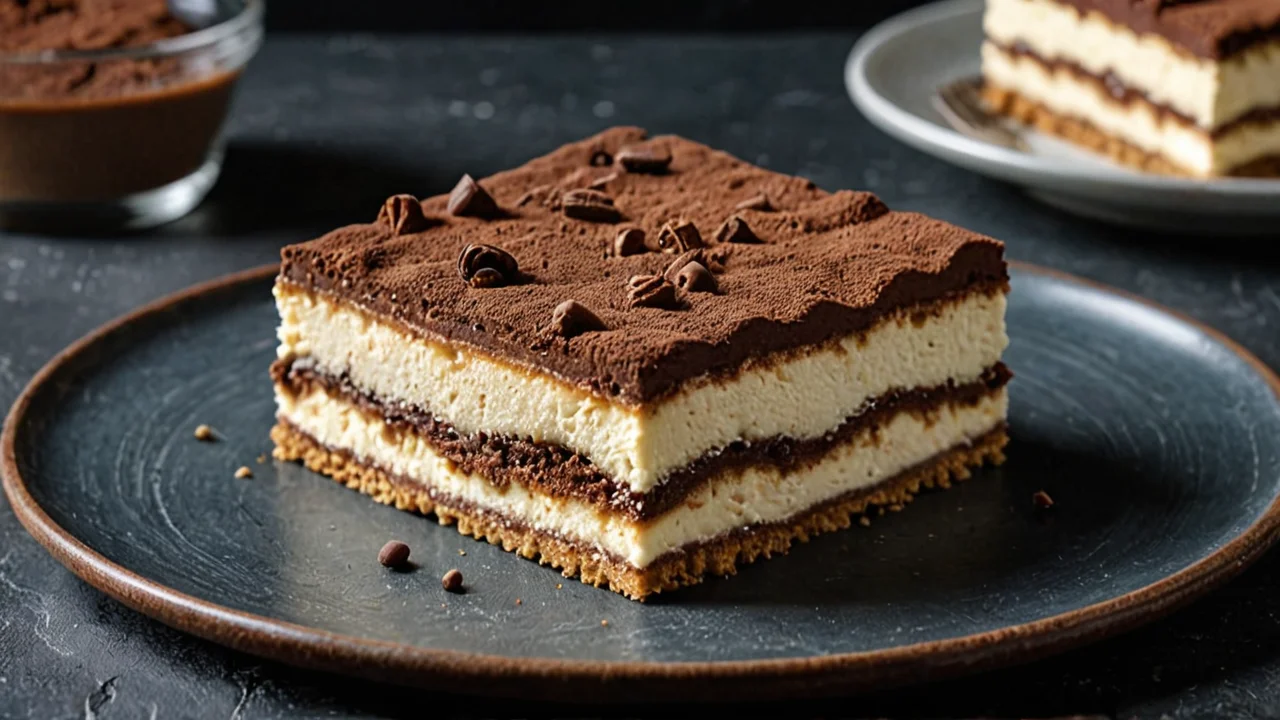
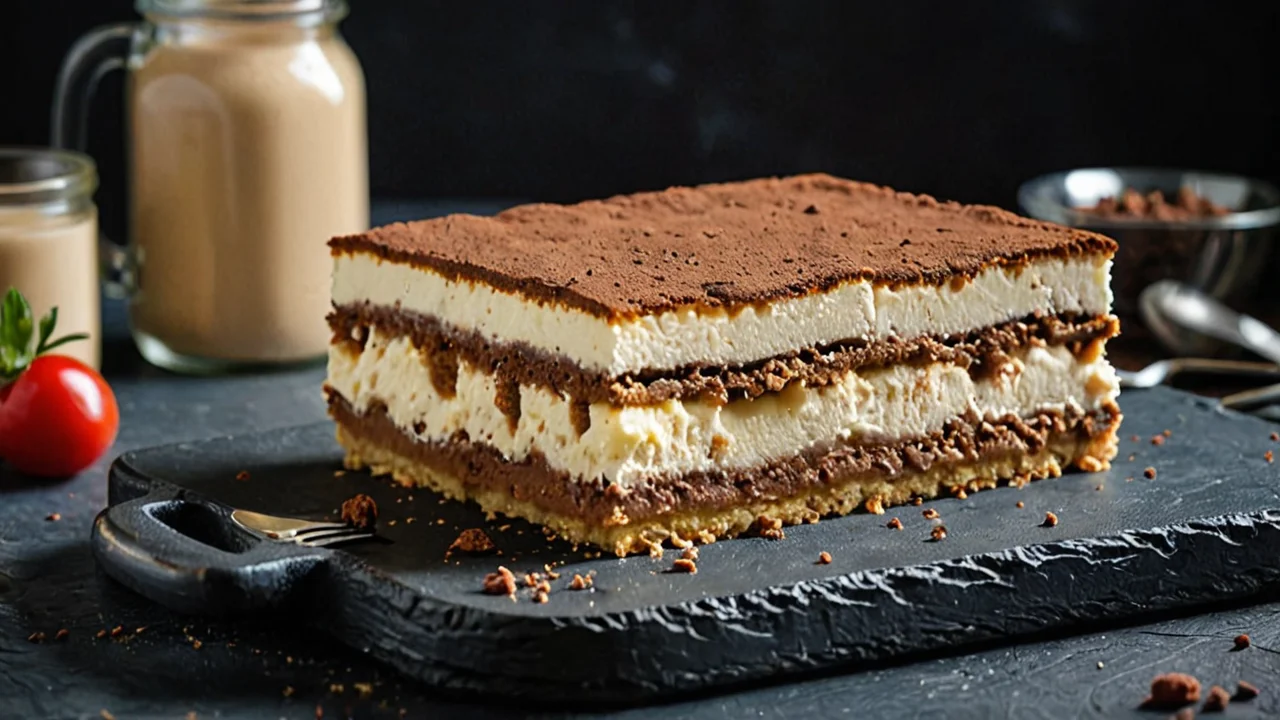
Tiramisù is layered coffee-soaked biscuits and a creamy filling, and the two failure modes are both about moisture and time. Savoiardi soaked too long dissolve into the mascarpone and the dessert slumps; assembled and eaten within the hour, it tastes of separate components rather than a single thing. It needs a night in the fridge — the biscuits draw moisture from the cream, the coffee migrates downward, and the whole structure sets. Six hours is the minimum; overnight is the point.
The filling is egg yolks whipped with sugar until pale and thick, mascarpone folded in at room temperature so it does not seize, and whipped cream or beaten egg whites folded last for lift. Skip the cream and you get a denser, more intensely cheese-forward version that many Romans would recognise as correct; add it and you get the lighter, taller slice most people expect. Neither is wrong. What is wrong is cold mascarpone straight from the fridge, which will break into grains when you fold it.
For the coffee: strong espresso, cooled, unsweetened or barely sweetened, in a shallow dish. Drag each biscuit through — one second per side, no lingering — and lay them in a single tight layer. Sweeten with a little marsala or rum if you like, but add it to the coffee rather than the cream, where it will thin the structure. Finish with a heavy dusting of cocoa, and add that dusting just before serving, not the night before; cocoa on a refrigerated surface turns to a damp paste and loses its bitterness.
The honest cost is that tiramisù is a make-ahead dessert that occupies fridge space and cannot be rushed, and it contains raw eggs, which matters if you are serving anyone pregnant, elderly, or immunocompromised. Pasteurised eggs solve that and change the texture slightly. There is no version of this dessert that is both fast and good.
The order of operations in an Italian kitchen, and why it is not fussiness
Italian home cooking is built on a small number of techniques applied with discipline rather than a long list of ingredients, and almost every technique is about controlling water and heat. The soffritto — onion, carrot, celery sweated slowly in olive oil — must go in before the liquid, or the vegetables steam instead of sweetening. The pasta water must be salted before the pasta goes in, not after, because salt added later sits on the surface. The pan must be hot before the protein goes in, and then left alone, because the crust is what releases it from the metal.
What this means practically is that a recipe's ingredient list is the least important part of it. The same six ingredients in the wrong order produce a different dish. Learn three sequences — the sweat, the sear, the emulsion — and you can cook most of the repertoire without a recipe at all.
The trade-off is real: this way of cooking demands attention at specific moments and tolerates almost no multitasking during them. It is slower than a one-pan assembly, and it requires you to buy ingredients that behave predictably — good olive oil, coarse salt, pasta dried through bronze dies so the surface is rough enough to hold sauce. Those cost more. They also do more of the work than any technique you can learn.
Ingredients worth spending on, and the ones that are not
Spend on the things you taste raw or barely cooked: extra-virgin olive oil for finishing, Parmigiano-Reggiano or Pecorino Romano grated at the moment of use, guanciale, good tinned tomatoes, and the cheese in your tiramisù. Save on the things that get cooked hard or are structurally incidental: pasta for baking, flour for dusting, the wine you cook with rather than drink.
Two habits matter more than any purchase. Grate cheese to order — pre-grated cheese is coated in starch to stop it clumping, and that starch thickens a carbonara sauce into paste. And keep pasta water. The starch in it is what makes an emulsion hold; without it you are trying to bind oil and water with nothing.
The cost of this approach is a pantry that runs to a dozen jars and a cheese bill that is noticeably higher than the supermarket equivalent. The return is that a plate of pasta with olive oil, garlic, chilli, and a handful of grated Pecorino becomes a meal rather than a fallback — which is the actual point of learning to cook this way.
What goes wrong, and how you notice before it reaches the table
Carbonara that looks grainy at the edges of the pan is already scrambling — pull it off the heat and stir in a splash of cool pasta water immediately; you may save it. Gnocchi that sink and stay sunk are too dense; they will cook through but eat heavy, and there is no fix after the fact, only a note for next time to use less flour and drier potato. Tiramisù that weeps liquid at the base was over-soaked; the biscuits will still taste fine and the slice will not hold its shape.
Risotto that stops absorbing liquid has been stirred too aggressively or cooked too fast; the grains are breaking and releasing starch into a paste. A soffritto that browns before it softens was cooked too hot; turn the heat down and add a spoonful of water to bring the temperature back. Pasta that sticks together was under-watered — you need a large pot and room for the strands to move.
These are all recoverable or at least diagnosable, which is the argument for cooking this way rather than buying prepared food: the feedback is immediate and specific. The limit of that argument is that some failures are not recoverable, and the ones that matter most — a broken emulsion, an overworked dough — happen in seconds and depend on a decision you made several steps earlier. That is why the sequence matters more than the ingredients, and why the first thing to fix in your cooking is almost never the recipe.
Egg temperature matters more than the pan in carbonara
Take the eggs out of the fridge before you start the guanciale. Cold egg-and-Pecorino paste dropped into a warm pan shocks into lumps before the starch in the pasta water can stabilise it; room-temperature eggs fold in evenly and give you a longer margin inside that thirty-to-sixty-second stir. The paste should look like soft butter, not a batter — if it is stiff enough to hold a spoon upright, loosen it with a spoonful of the pasta water before it ever meets the pan.
Grate the Pecorino as fine as your microplane allows. Coarse shreds melt unevenly and leave you stirring past the window, which is how a sauce that was fine at forty seconds turns grainy at ninety. Mix the cheese into the eggs and let that paste sit while the pasta cooks; the salt in the Pecorino dissolves into the egg and seasons from the inside rather than sitting on the surface.
The trade-off is that this adds a step you cannot skip once you have started. Room-temperature eggs mean taking them out early, and if you forget, sitting the bowl in warm water for a few minutes works — but never crack a cold egg straight into a hot pan and hope.
Why your gnocchi board beats a fork
Ridged gnocchi hold sauce; smooth ones let it slide off. A fork gives you grooves, but the tines are narrow and the ridges shallow, and the dumpling tends to flatten as you press. A wooden gnocchi board — the small curved kind with deeper, wider ridges — rolls the cylinder as it grips, so you get a hollow on one side and a shell on the other. That shell is where a butter-and-sage sauce actually pools.
Flour the board lightly, not heavily. A thick dusting cakes into the ridges and fills them, which defeats the point. Roll each piece from the top of the board downward with your thumb, one motion, and let it drop onto a floured tray. If the dough sticks to the board, it is too wet — add flour to the dough, not to the board.
The cost is another piece of equipment in a drawer, and a fork genuinely works if you are making them once. The board earns its place the second time.