Flavor variation in Italian cooking is not a matter of adding more ingredients — it is a matter of deciding which ingredient carries the dish and then stripping away everything that competes with it. Carbonara is the cleanest proof: the authoritative Roman version has five ingredients, and every acceptable variation either reinforces one of those five or replaces one of them outright. Anything else is a different dish wearing the same name. The decisions below run in the order a cook actually faces them, from what a dish is allowed to contain to how heat, cure, and time change its character.
Start with the definition, not the flavor
Before you vary anything, fix what the dish is. A carbonara is a Roman pasta dish made with guanciale, Pecorino Romano, eggs, black pepper, and pasta — five ingredients, and the definition is narrow enough that swapping two of them stops producing carbonara. Guanciale is cured pork jowl, and it is the ingredient most often replaced: pancetta comes from the belly, bacon from the belly and loin, and both bring smoke or a different fat-to-lean ratio that changes the sauce's body, not just its taste. If you use bacon, you are cooking a good pasta, but you are not varying carbonara; you are substituting its foundation.
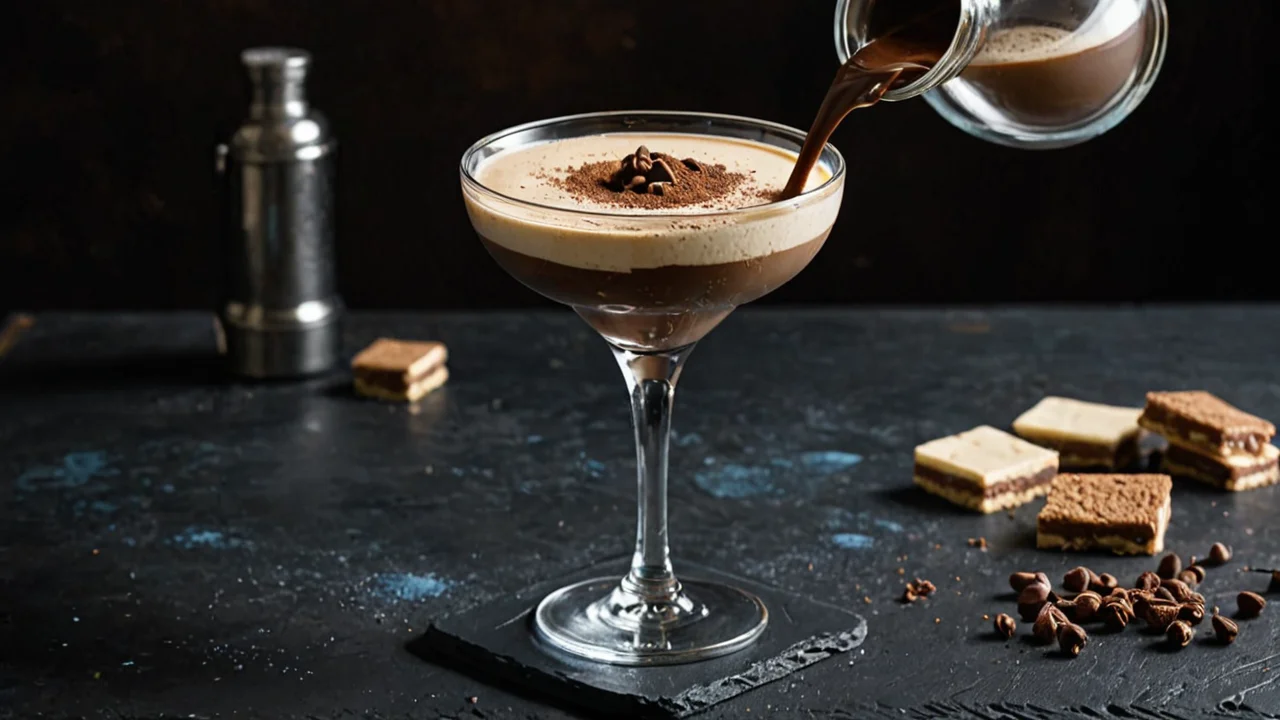
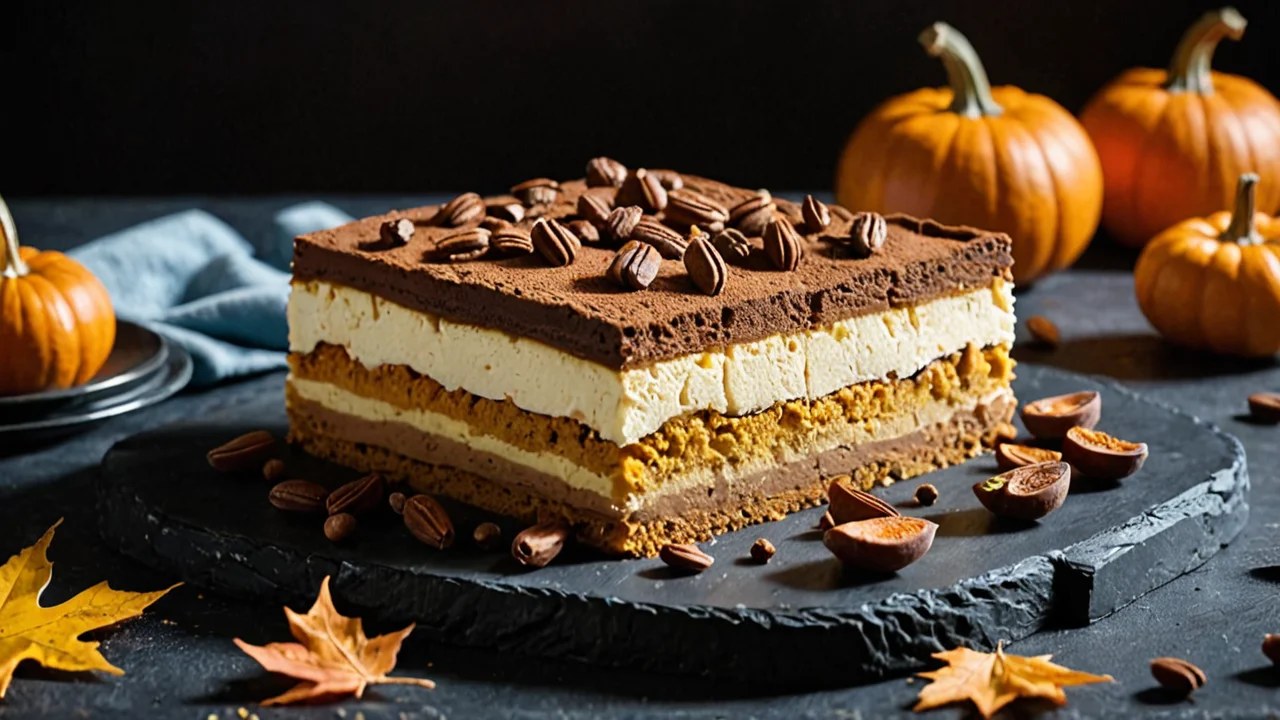
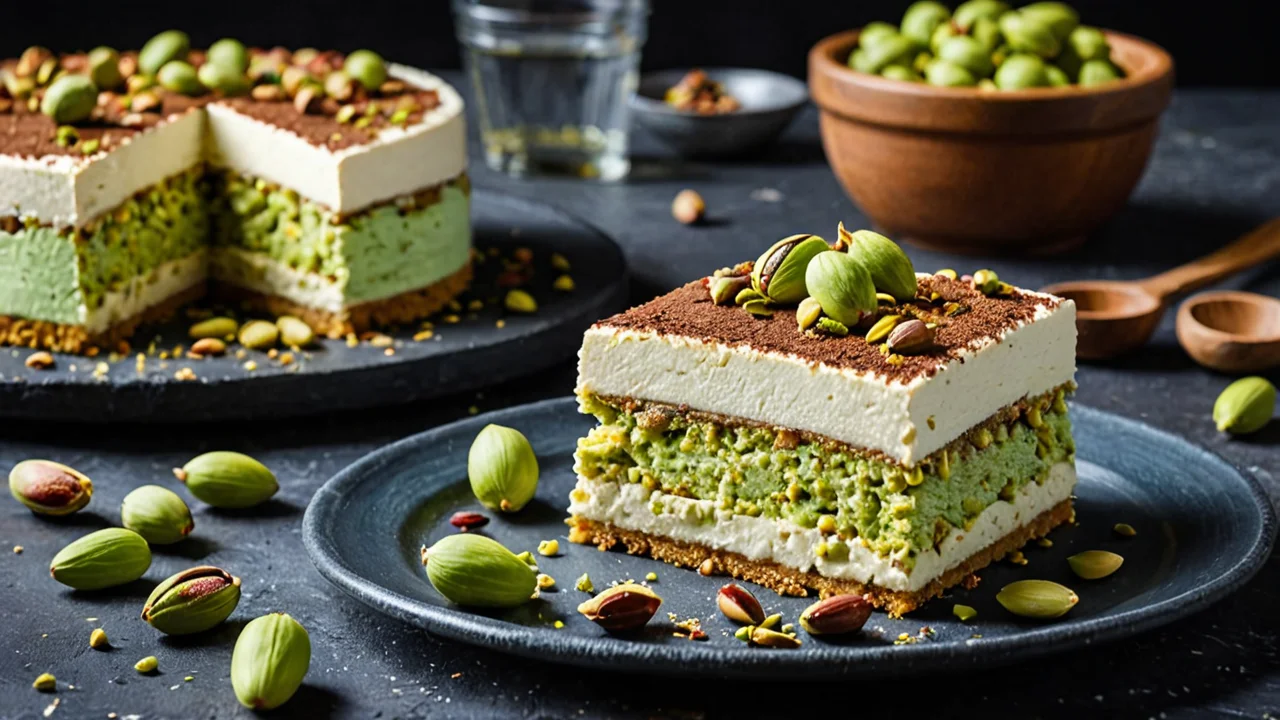
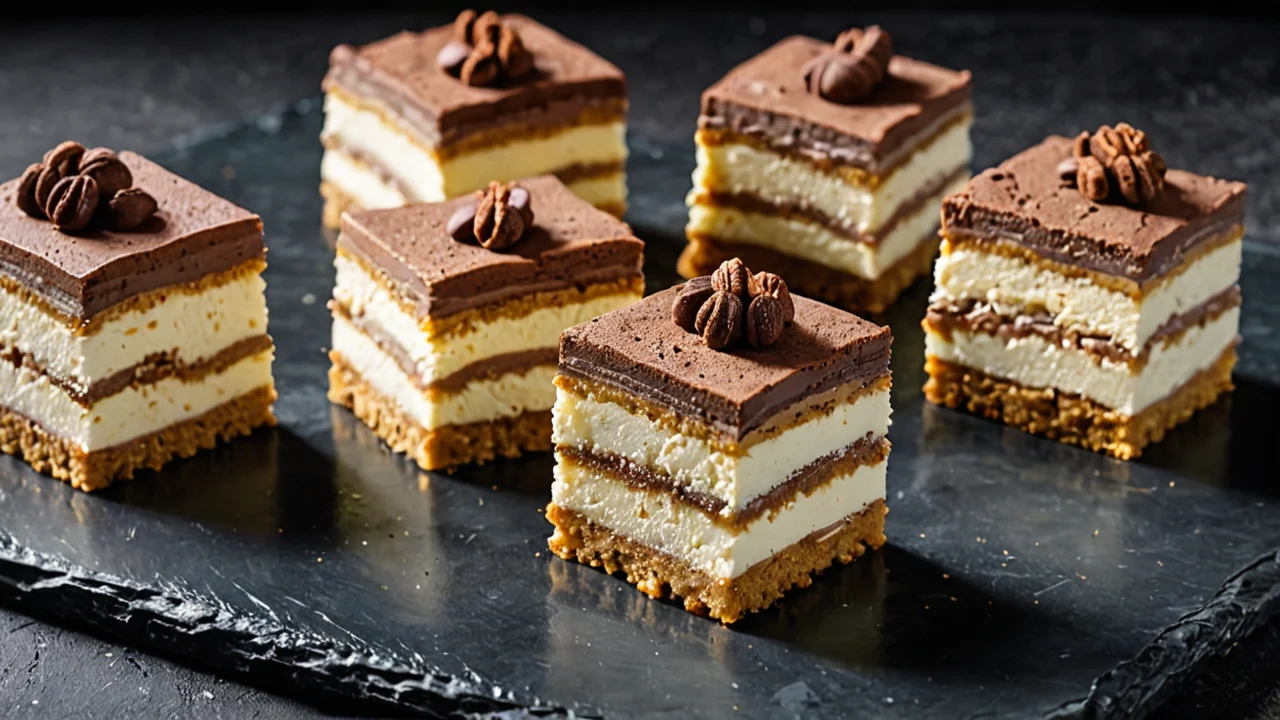
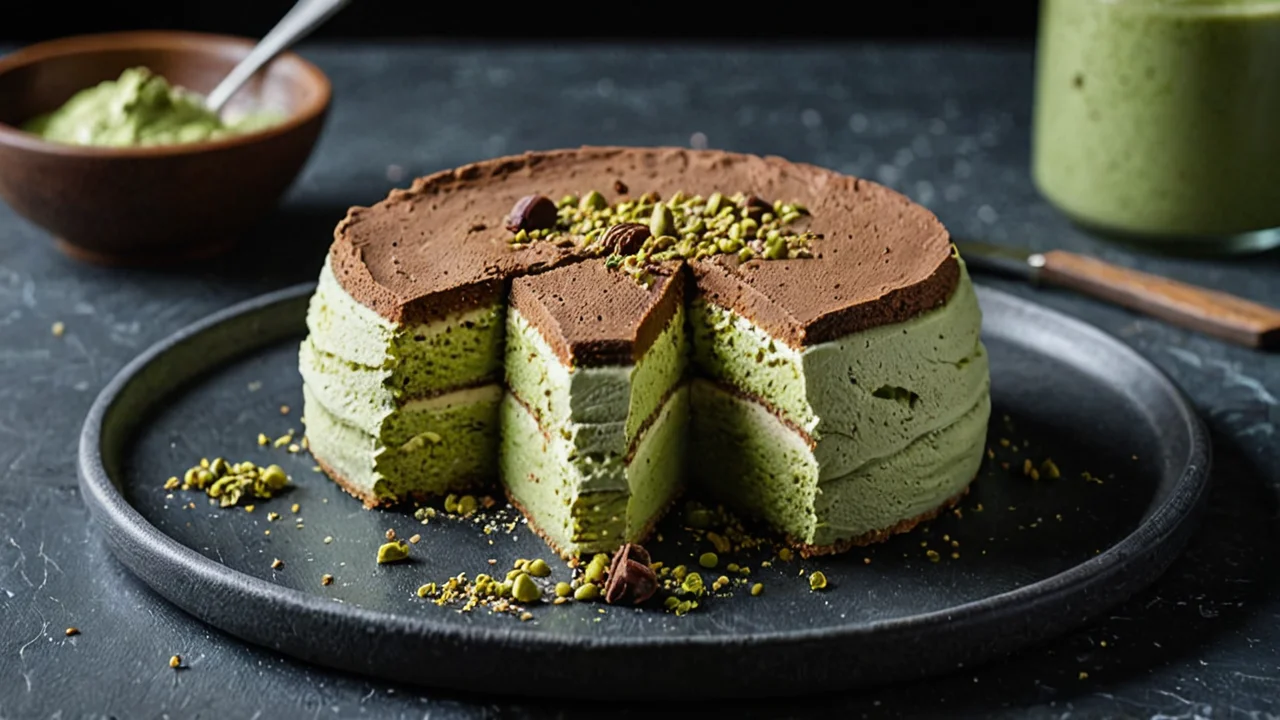
The same logic applies to tiramisu, an Italian dessert made with layered coffee-soaked biscuits and a creamy filling. That definition leaves room — the coffee, the biscuit, the cream, the layering — but it also tells you where the boundaries sit. A version built on fruit and no coffee is a fine dessert and a different one. Knowing which element is structural and which is decorative is the single skill that makes variation safe. The cook who understands that guanciale is structural and black pepper is adjustable will vary successfully; the cook who treats everything as interchangeable will produce competent food that no longer tastes like the thing it is named for.
This is the cost of the definitional approach: it is restrictive, and it will make you say no to ideas that sound appealing. It is also the only way to vary a dish and still be able to tell whether the variation worked, because you have a fixed point to compare against.
Choose the ingredient that carries the variation
Every successful variation changes one element and holds the rest steady. In carbonara, the egg-and-cheese mixture is the carrier; in a tomato sauce, it is the tomato; in tiramisu, it is the coffee and the cream. Pick one, and leave the others alone for that round of cooking. Change the cheese and the cure at once and you cannot tell which one made the sauce taste flat.
Within carbonara, the realistic levers are the cure, the cheese, and the pepper. Pecorino Romano is sharp and salty; a younger pecorino or a blend with Parmesan softens the edge and thickens the sauce differently, because the two cheeses melt and salt at different rates. Black pepper is the most forgiving lever — toasting it in the pan before the fat goes in deepens it without altering structure, and a coarser grind gives bursts of heat rather than an even hum. The egg is the least forgiving: whole eggs give richness and color, yolks alone give a denser, more custardy sauce, and whites alone will not emulsify the way the dish needs. Choose the lever, name what you expect it to do, and cook one version. If the result is better, you have a variation; if it is merely different, you have a lesson.
The honest trade-off is that single-lever variation produces small, incremental improvements rather than dramatic ones. A cheese blend makes carbonara a little rounder; it does not transform it. Cooks who want transformation should be cooking a different dish, and that is a legitimate choice — it just should not be filed under variation.
Heat is the variable most variations get wrong
The sauce in an egg-based pasta dish is an emulsion, and emulsions break when the pan is too hot. That is the failure mode to watch for: the mixture turns grainy, the fat separates into a slick around the pasta, and the surface looks curdled rather than glossy. You notice it immediately on the first toss, and it cannot be fully reversed — you can loosen a slightly tight sauce with pasta water, but you cannot un-cook an egg.
The fix is sequence and speed. Take the pan off the heat before the egg mixture goes in, and keep the pasta moving so the egg meets the fat and the starch together rather than sitting against hot metal. After adding the egg mixture, the mixing window is 30-60 seconds — long enough to emulsify, short enough that residual heat does not push the eggs past the point where they set. This is a physical constraint, not a matter of taste, and it holds regardless of which cheese or cure you chose in the previous step. Any flavor variation that requires a hotter pan, a longer cook, or a drier mixture is working against the emulsion, and you should expect a tighter, less glossy result.
This is where most home versions of these dishes go wrong, and it is why restaurant versions often taste richer than the recipe suggests: the kitchen controls pan temperature and the timing of the toss, not just the ingredient list. The cost of getting it right is attention at the last thirty seconds of cooking, which is exactly when a cook is most tempted to walk away.
Cure, cheese, and fat: what each swap actually costs
Substitutions in the cured pork and cheese are the most common variations and the most misunderstood, because the swap changes texture and salt as much as flavor. The table below sets out what each choice does to the finished dish.
| Swap | What it changes | What it costs |
|---|---|---|
| Guanciale to pancetta | Less pronounced cured flavor, more meat, slightly firmer bite | Loses the jowl's rendering fat, which is the sauce's base; you may need to add fat |
| Guanciale to bacon | Smoke dominates; saltier, leaner cure | Smoke competes with the pepper and cheese; the dish reads as a different cuisine |
| Pecorino Romano to Parmesan | Less sharp, less salty, melts more smoothly | You lose the bite that balances the egg; you will likely need more pepper and salt |
| Whole eggs to yolks only | Denser, richer, more golden sauce | Less structure; the emulsion is more fragile and the window to mix is tighter |
Read the table as a budget, not a menu. Every swap spends something — fat, salt, sharpness, structure — and the good versions are the ones where the cook knows what was spent and compensates. Swapping to pancetta, for instance, is not a failure if you add a little olive oil to replace the fat the jowl would have given. Swapping to bacon is harder to rescue because smoke is not a missing quantity you can top up; it is a new flavor that will not leave.
The limits are real. If you are cooking for people who expect the Roman version, any of these swaps will be noticed, and the polite thing is to say what you did rather than let the dish be judged against a standard it was never aiming for. If you are cooking for yourself and prefer bacon, that is a legitimate preference — it is just a preference for a different dish, and knowing that keeps your cooking honest.
Sweet variations follow the same rules
Tiramisu varies along the same axes as the savoury dishes: one structural element changes, the rest hold. The coffee is the most adjustable — strength, brew method, and whether it is hot or cold when the biscuits are dipped all change how much liquid the biscuit takes up and how bitter the finished dessert reads. A weak brew gives a soggy, sweet result; a strong one gives a bitter edge that balances the cream. The cream is the next lever: a mascarpone-heavy filling is dense and rich, a lighter one with whipped cream folded in is airier and less cloying. The biscuit is the least forgiving, because its structure determines how the layers hold when sliced.
The failure mode here is different from the pasta: instead of breaking an emulsion, you soak the biscuits past the point where they hold their shape, and the dessert collapses into a soft, undifferentiated mass. You notice it when the first slice will not stand. The fix is a quick dip rather than a soak, and a filling stiff enough to support the layers. As with carbonara, the variation that works is the one that changes a single element and leaves the structure intact.
The cost of sweet variation is that errors are harder to correct after the fact — you cannot un-soak a biscuit the way you can loosen a sauce — so the sensible approach is to vary the coffee first, since it is the easiest to control, and leave the biscuit and cream alone until you know how the dessert behaves in your kitchen.
Sequencing your variations, and when to stop
Vary in this order: the ingredient that carries flavor, then the heat and timing, then the supporting elements. For carbonara that means deciding on the cure and cheese first, then practicing the 30-60 second mix until the sauce is glossy every time, and only then adjusting pepper, salt, or the ratio of yolk to white. Doing it in the other order means you are tuning a dish whose foundation is still moving, and you will not be able to tell which change helped.
Keep a record, even a crude one — the cure, the cheese, the grind of the pepper, how long you mixed. The value is not in the notebook; it is in being able to repeat the version you liked. Most cooks who vary successfully are not more talented, they are more systematic: they change one thing, they taste, and they write down what happened before the memory of the meal fades.
The limit of the whole approach is that variation is not the same as improvement. A dish varied well is one that still tastes like itself, only more so; a dish varied badly is a new dish that has lost the reason anyone wanted it. The point of knowing the five ingredients, the emulsion, and the timing is not to police other people's cooking — it is to know which changes are worth making and which ones you are making only because you are bored. When you are bored, cook something else. When you want the dish to be better, change one thing and pay attention to what it cost.
Pepper, toasted or ground, is a flavor decision with a texture bill
Toast whole peppercorns in the dry pan before the guanciale goes in, then crack them coarse, and you get a carbonara that tastes rounder and hotter at the same time — the volatile oils come forward and the heat spreads across the palate instead of spiking in one spot. Grind the same pepper fine and add it at the end and you get a sharper, more uneven burn that sits on top of the cheese rather than inside it. Neither is wrong. They are different dishes by a small but detectable margin, and the coarse version costs you something: the larger fragments lodge in the sauce and give a gritty texture against the slick of the emulsion, which some people dislike and others consider the point.
The limit is dose. Pepper is the one lever in carbonara you can push hard without breaking structure, but it is also the one that most easily masks a cheese that was already salty or a cure that rendered too lean. Taste the sauce before you decide the pepper needs more. If the dish reads flat rather than under-seasoned, more pepper will not fix it — a sharper pecorino or a touch more of the rendered guanciale fat will.
Swap the fat before you swap the cheese
If you want a carbonara that tastes richer without changing its identity, add fat rather than cheese. The rendered guanciale fat is the sauce's base, and a cure that gives up less of it — pancetta, most bacon — leaves the emulsion thin and quick to tighten. A spoonful of olive oil added to the pan after the cure comes out restores the body without adding salt or smoke, and it does so before the egg goes in, which is the only point where you can still correct the balance. Adding oil after the egg mixture has set just makes the sauce greasy.
The cheese is a worse first lever because it changes salt and melt at the same time. A Parmesan-heavy blend softens the bite that balances the egg, and you end up compensating with pepper and salt, which is two corrections for one swap. Reach for the fat first, the cheese second, and the pepper last — the reverse of the order most cooks reach for, and the reason a lot of home carbonara tastes thin and over-seasoned at once. The cost of the fat-first habit is calories and a slightly looser sauce; the cost of ignoring it is a dish you keep salting and never quite fix.