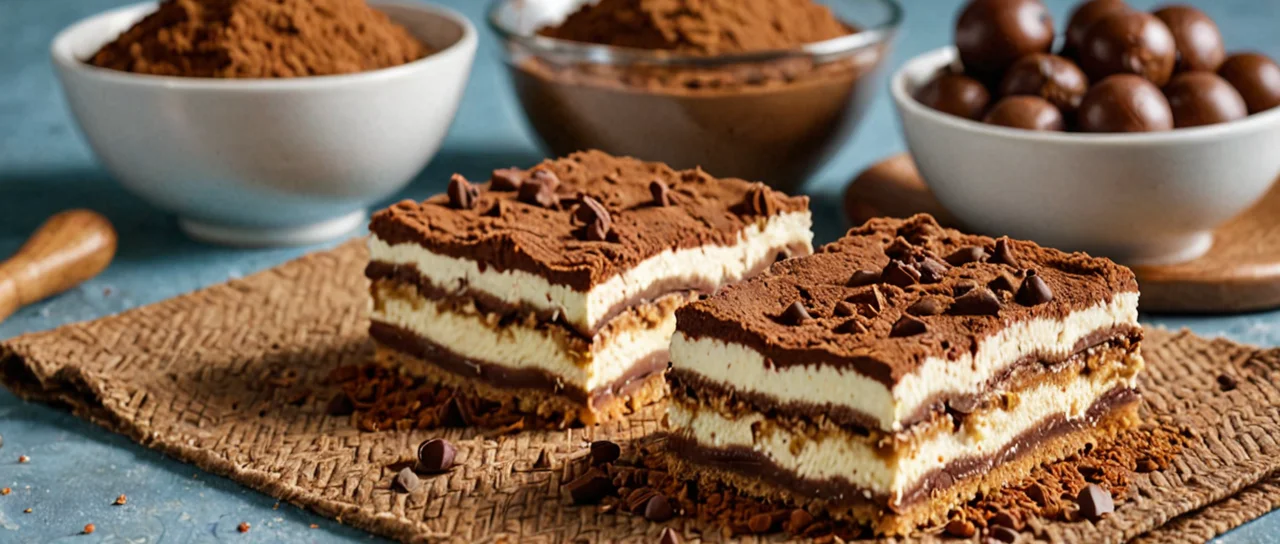
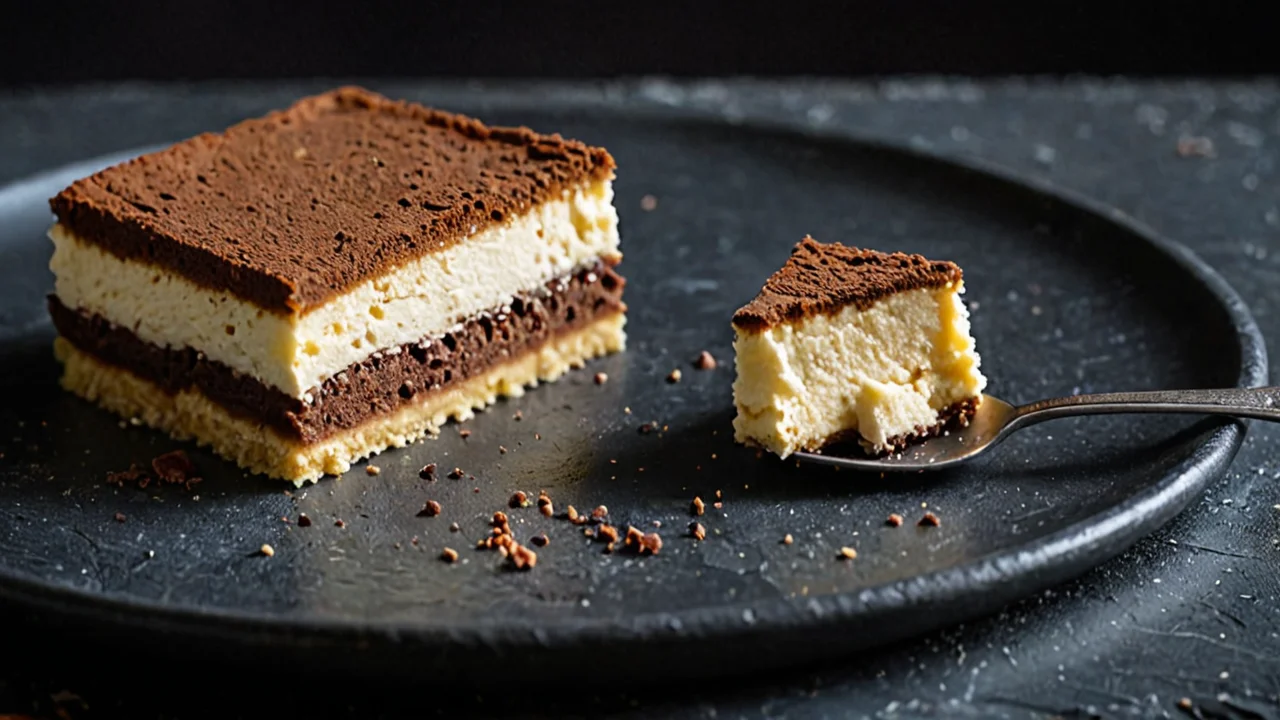
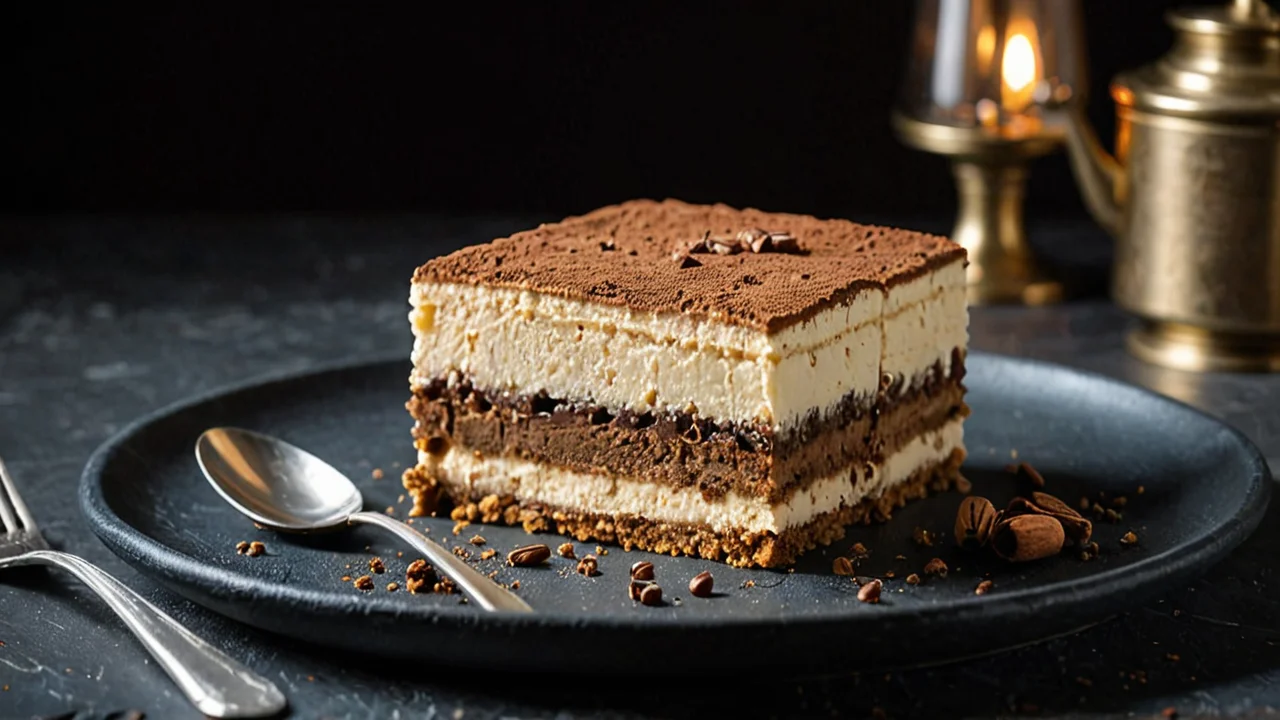
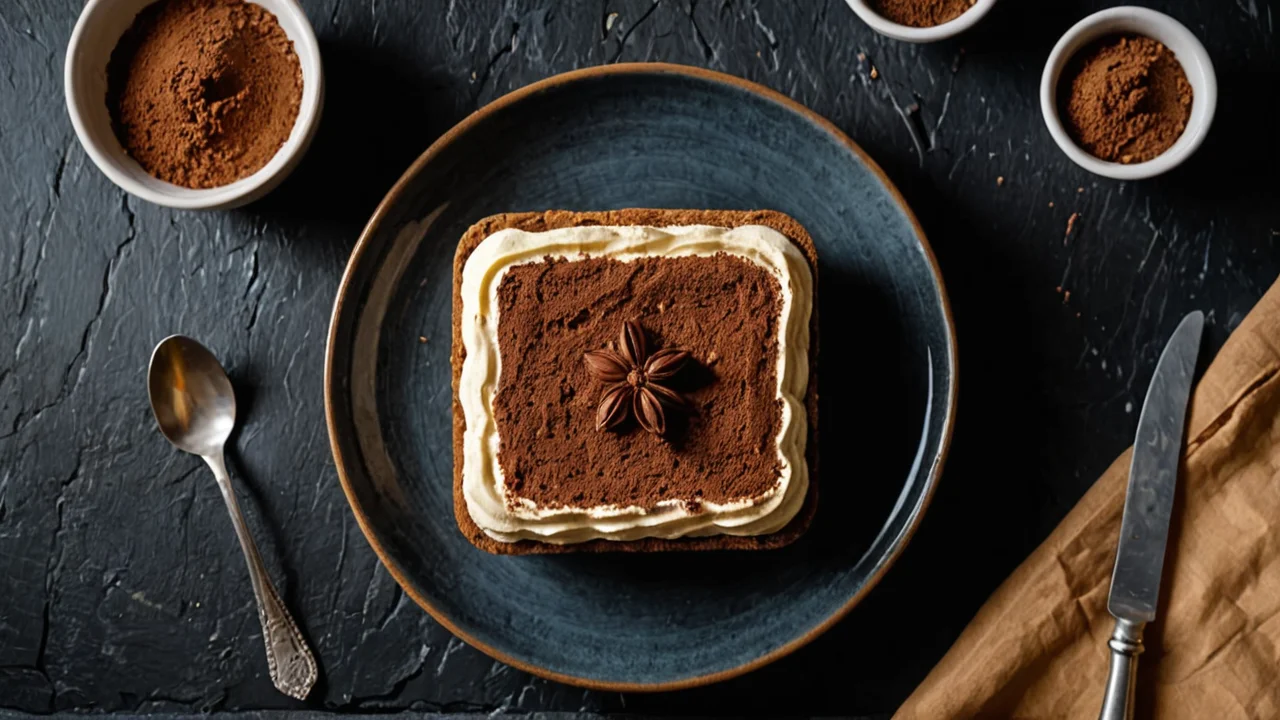
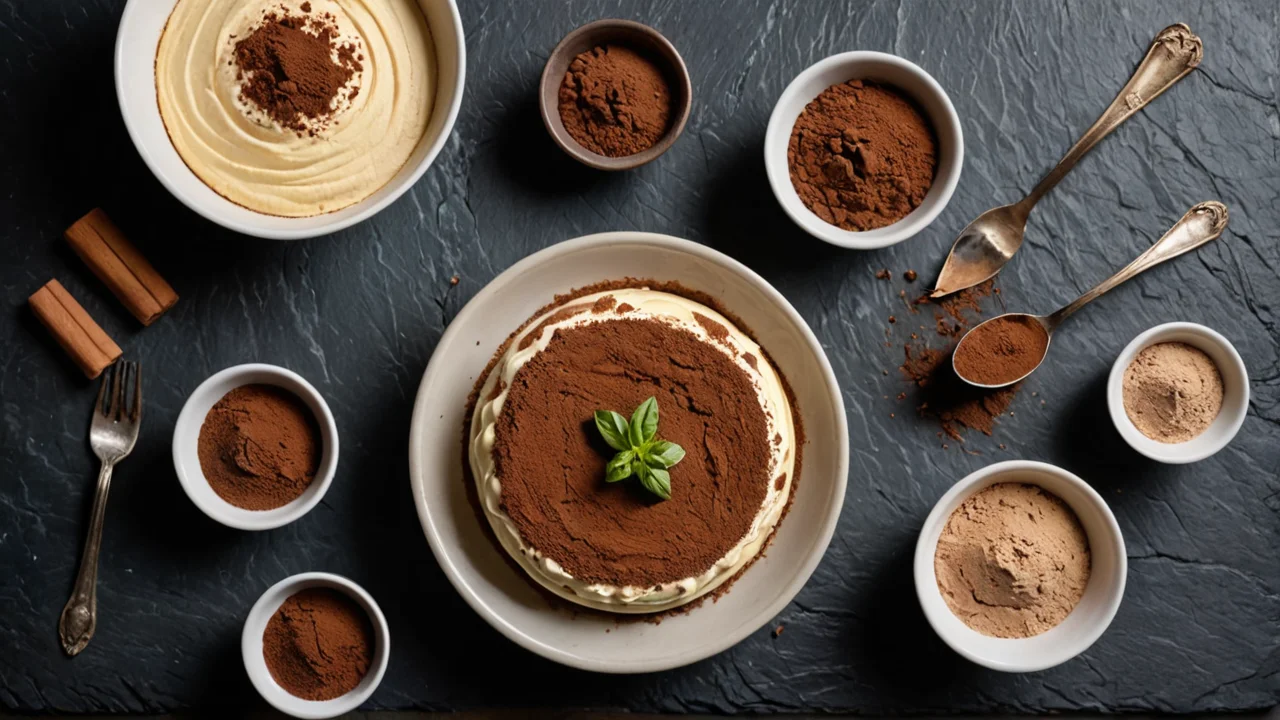
Tiramisu is a layered dessert built from coffee-soaked biscuits and a creamy filling, and everything that makes it good or bad happens in the balance between three things: how wet the biscuits get, how stable the cream is, and how cold the finished assembly stays before serving. Get those three right and any reasonable recipe works. Get them wrong and no amount of good espresso or expensive mascarpone will save it.
What tiramisu actually is, and the two structural families
The definition is short: an Italian dessert made with layered coffee-soaked biscuits and a creamy filling. That leaves exactly one big structural decision, and it is the first one you have to make, because it determines everything downstream.
The first family is the classic: egg yolks whipped with sugar, mascarpone folded in, sometimes whipped cream or beaten egg whites to lighten it, layered with savoiardi (ladyfingers) dipped in espresso. This version is raw-egg based. It gives the loosest, most spoonable texture and the most pronounced eggy richness, and it is the version most Italians actually make at home. Its cost is that it is a raw-egg dessert, so it needs to be served cold and eaten within a couple of days, and it demands that you trust your eggs.
The second family is the cooked custard version: a zabaglione-style base of yolks, sugar and often a little Marsala cooked over a bain-marie until it thickens, then cooled and folded into mascarpone. This is more work and one more thing that can go wrong (overheating scrambles the yolks into grainy curds), but it is more stable, holds its shape better after slicing, and travels better. It also tastes more of wine and less of pure egg.
There is a third, cheaper route that a lot of American home cooks take: mascarpone beaten with sweetened whipped cream and no egg at all. It is fine. It is also noticeably lighter and less rich, and it will not hold a clean edge for long. Choose it if raw egg is a genuine concern in your household, not because it is easier.
The other fixed points you do not get to negotiate: the coffee is espresso, cooled, unsweetened or very lightly sweetened; the biscuits are savoiardi, the dry, crisp, sugar-dusted kind, not soft cake-style ladyfingers; and the top is a dusting of unsweetened cocoa, added close to serving. Soft ladyfingers will collapse into mush the moment they meet coffee, and there is no recovering from that.
Mascarpone: what to buy, what it costs, and what to do when it splits
Buy mascarpone in a tub, check the label for two ingredients (cream and citric acid or lactic acid), and avoid anything sold as "mascarpone cheese spread" or a light version. Real mascarpone is a fresh cream cheese made by acidifying cream and draining it; it should be dense, faintly sweet, and smell of clean cream. American supermarkets increasingly carry it next to the cream cheese, and it is markedly more expensive per ounce than cream cheese. That price is the honest cost of this dessert, and substituting cream cheese or American-style cream cheese cut with cream is the single most common reason home tiramisu tastes wrong: it turns salty and slightly tangy where it should be sweet and clean.
Temperature matters more than brand. Mascarpone straight from the fridge is stiff and will seize into little lumps when you beat it. Leave it out for a while, or loosen it first with a spatula against the side of the bowl, before folding anything into it. If you are making the egg-yolk version, beat the yolks and sugar until pale and thick first, then add the mascarpone in spoonfuls, and stop as soon as it is smooth. Overworking is what makes it grainy.
If it does split, or if the cream looks curdled after folding, do not throw it out. A few seconds of gentle heat over a bain-marie while stirring can bring it back together, and if it stays broken, fold in a spoonful of cold cream to re-emulsify. This is also the argument for the cooked-custard version: the custard is far more forgiving of a heavy hand than raw yolks are.
One more trade-off worth naming: mascarpone has a high fat content and a short shelf life, and it does not freeze well. If you are scaling up for a crowd, buy it the day you make the dessert, not a week ahead.
The coffee dip: the one step that decides the whole dessert
Dip each savoiardo for a second or two per side, no longer, and do it in cooled espresso, not hot. The biscuit should be wet through but still hold its shape when you lift it; if it droops or starts to disintegrate between your fingers, it has gone too far and it will turn the bottom of the dish into pudding.
The variables that actually change the outcome:
- Temperature of the coffee. Hot espresso soaks in faster and softens the biscuit more aggressively. Cool it to room temperature or chill it. This alone prevents most soggy tiramisu.
- Biscuit type. Dry, crisp savoiardi absorb a controlled amount. Soft or cake-style ladyfingers absorb indiscriminately and turn to paste. If your only option is soft, dip them even more briefly, or brush the coffee on with a pastry brush instead of dipping.
- Espresso strength. A concentrated shot gives flavor without requiring a long soak. Weak brewed coffee forces you to dip longer to get any taste at all, which is exactly backwards. If you only have drip coffee, reduce it on the stove to concentrate it before cooling.
- Sugar in the coffee. Optional, and best kept minimal. Sugar makes the biscuit more prone to weeping liquid into the cream layer as it sits.
- Alcohol. Marsala, dark rum, or a coffee liqueur can go into the coffee or the cream. It adds flavor and moisture, so if you add it to the dip, dip for even less time.
Work in a single layer at a time, in a dish with straight sides and enough depth that the layers stack without spilling over. A glass or ceramic rectangular dish is the standard choice; it lets you see the layers, which is genuinely useful the first few times you make this.
One caveat on the dip: the difference between a two-second dip and a four-second dip is invisible while you are doing it and obvious four hours later. If you are unsure, err shorter. A slightly under-soaked biscuit will even out as the dessert rests; an over-soaked one will not.
Assembly order, resting, and how long it actually keeps
Layer in this order: a thin smear of cream on the bottom of the dish (this anchors the first layer and stops it sliding), then a single layer of dipped savoiardi laid snugly side by side, then a layer of cream spread to the edges, then another layer of dipped biscuits, then a final, thicker layer of cream. Two biscuit layers is standard; three is possible in a deep dish and makes for a taller, more impressive slice at the cost of a longer rest. Smooth the top with an offset spatula. Do not dust with cocoa yet.
Then refrigerate. This is not optional and it is not just about chilling. The rest is when the biscuits hydrate from the cream side, the cream firms up, and the layers knit together into something you can cut cleanly. A tiramisu assembled and eaten immediately is loose, wet-tasting, and structurally a mess. Several hours is the minimum; overnight is better. Cover it, because mascarpone picks up fridge odors readily.
Dust with unsweetened cocoa through a fine sieve just before serving. Cocoa added hours in advance absorbs moisture from the cream and turns into a dark, damp paste; you will see it go from a dry matte layer to a smeared look. If you are making it for a specific time, hold the cocoa until then.
On keeping: with raw-egg filling, plan to eat it within a couple of days and keep it cold the whole time. With a cooked custard base you have a bit more margin, but not much — the biscuits continue to soften and will eventually give way. It does not freeze well; the cream breaks and the biscuits go watery on thaw. Make it in the size you will actually eat.
Scaling, dish shape, and the equipment that earns its place
Scale by area, not by volume. The limiting factor is how many savoiardi fit in a single snug layer in your dish, because that sets how much cream each layer needs. Count the biscuits for one layer first, then multiply for the number of layers you plan, and size your cream batch to that. A standard rectangular dish takes a predictable number of biscuits per layer; a round dish wastes more space at the edges and needs more cream to fill the gaps.
What is actually worth owning:
- An offset spatula. The only tool that lets you spread a cream layer evenly to the corners without dragging the biscuits up.
- A fine sieve. For the cocoa. A shaker or spoon gives a patchy, clumped top.
- A stand mixer or a large balloon whisk and a wide bowl. Yolks and sugar need real volume of air; a narrow bowl makes this twice the work.
- A dish with straight, reasonably high sides. Sloped sides make the layers slide.
What is not worth owning: a dedicated tiramisu pan, a savoiardi dipping tray (a shallow bowl or a plate does the same job), or a piping bag for the cream. This is a spooned dessert.
For a crowd, two smaller dishes beat one large one — you can serve one and keep the other cold and undusted. That is a real advantage, and it costs you nothing but an extra dish.
Where tiramisu sits in the Italian repertoire, and the honest limits of the recipe
Tiramisu belongs to the same working tradition as the great Roman pastas: a small number of cheap, ordinary ingredients handled with enough discipline that the technique, not the shopping, decides the result. The comparison with carbonara is not decorative. Carbonara is a Roman pasta dish made with guanciale, Pecorino Romano, eggs, black pepper, and pasta — five ingredients, and the whole dish lives or dies on temperature control, specifically the 30–60 seconds of mixing after the egg mixture goes in, off the heat, so the eggs emulsify rather than scramble. Tiramisu has the same shape of problem: eggs and dairy, no cooking to rescue you in the raw version, and a narrow window between "just right" and "broken." If you can make carbonara, you already have the instincts for tiramisu. Guanciale, incidentally, is cured pork jowl and has nothing to do with dessert; it is here only as the illustration of how much a five-ingredient Roman dish depends on handling.
The limits of the recipe are worth stating plainly. Tiramisu is not a make-ahead dessert in the freezer sense, it is not forgiving of warm storage, and the raw-egg version carries a real (if small) food-safety consideration that you should decide about deliberately rather than by accident — which is what the cooked-custard route is for. It is also a dessert that peaks and then declines, so making it two days early is worse than making it the night before.
And the ingredient ceiling is lower than people expect. Better espresso helps, better mascarpone helps, fresh savoiardi help. But no upgrade compensates for a long dip, a warm dish, or an impatient rest. The technique is the recipe; the shopping list is just the cast.
How much coffee a savoiardo actually takes, by weight
A dry savoiardo absorbs roughly its own volume in liquid before it collapses, but the useful working target is far below saturation: the biscuit should gain enough espresso to darken the crumb to the center while staying firm at the core. You can feel this through your fingers before you can see it. Pick one up after a one-second-per-side dip and press it gently; if espresso beads at the surface rather than sitting in the crumb, you are at the ceiling.
The practical reason to think in weight rather than seconds is that seconds lie. A thin, airy savoiardo and a dense one from another bakery take up coffee at completely different rates, and a cold espresso soaks more slowly than a warm one, so a fixed countdown gives you different results from the same bag. Weigh a dry biscuit, dip it, weigh it again, and you have a number you can repeat for the rest of that batch — recalibrate when you open a new one. This costs you one biscuit and a kitchen scale.
If you are adding Marsala or rum to the dip, weigh the soaked biscuit against the plain-soaked target instead of dipping for less time. Alcohol thins the coffee and carries flavor in fast, so a shorter dip in a spiked bowl can still overshoot the moisture you wanted. The trade-off is a slightly boozier, wetter bottom layer than the teetotal version; if the dessert is going to sit overnight, cut the alcohol rather than the coffee.
Cocoa on top: why it goes on last and what it does to the cream beneath
Unsweetened cocoa is a dry, higroscopic layer, and it starts pulling moisture out of the cream the moment it lands. That is why a tiramisu dusted at assembly looks matte and dark for an hour and smeared and patchy by the next morning — the cocoa has absorbed cream moisture and darkened into paste. Dust through a fine sieve within an hour of serving if you care about the look, and hold the sieve high so the cocoa falls as a light, even veil rather than a clumped layer.
The cocoa is also doing structural work you may not have considered: it is the only dry element on the surface, and a heavy hand leaves a bitter, powdery crust that fights the cream. Two light passes with the sieve, letting the first settle, give a better result than one thick dusting. Dutch-processed cocoa gives a darker, rounder top; natural cocoa is sharper and more bitter. Neither is wrong, but the natural kind punishes over-dusting more visibly.